
A Life in the Frame
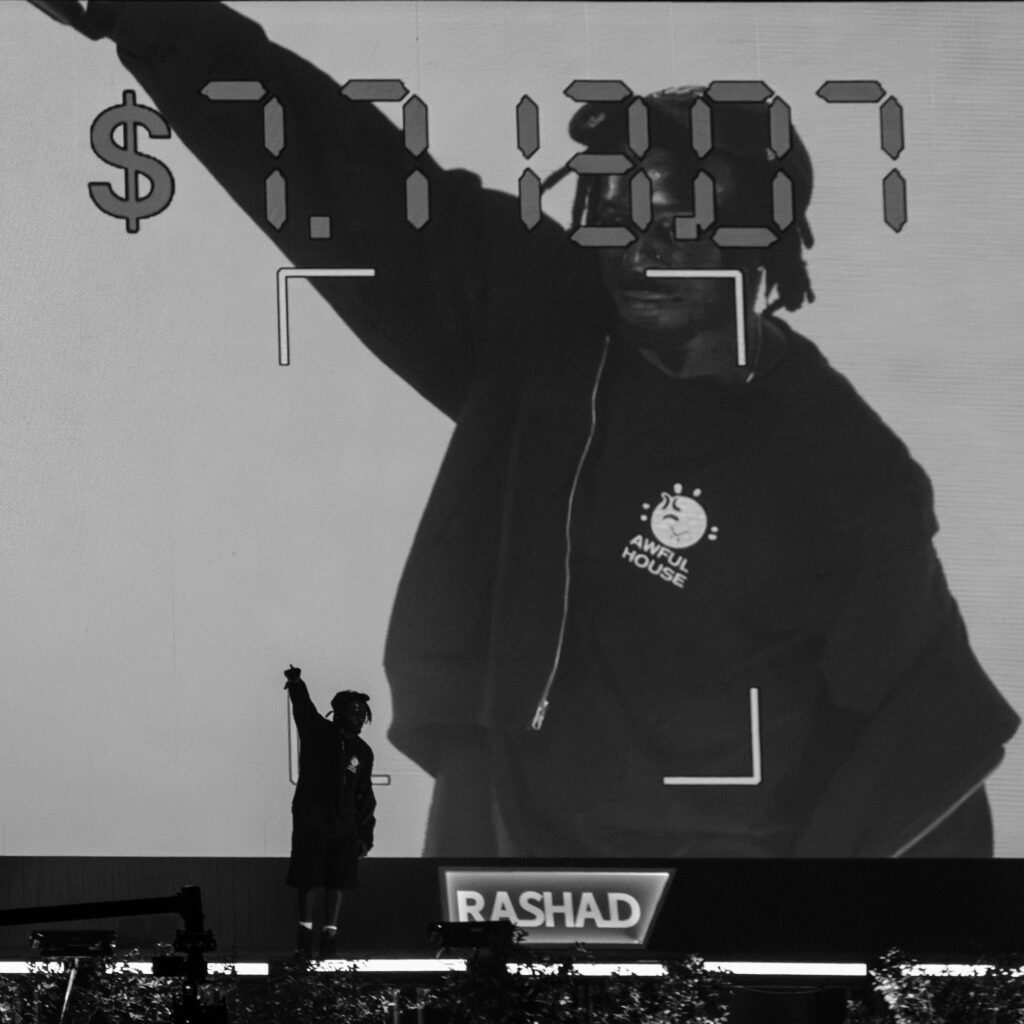
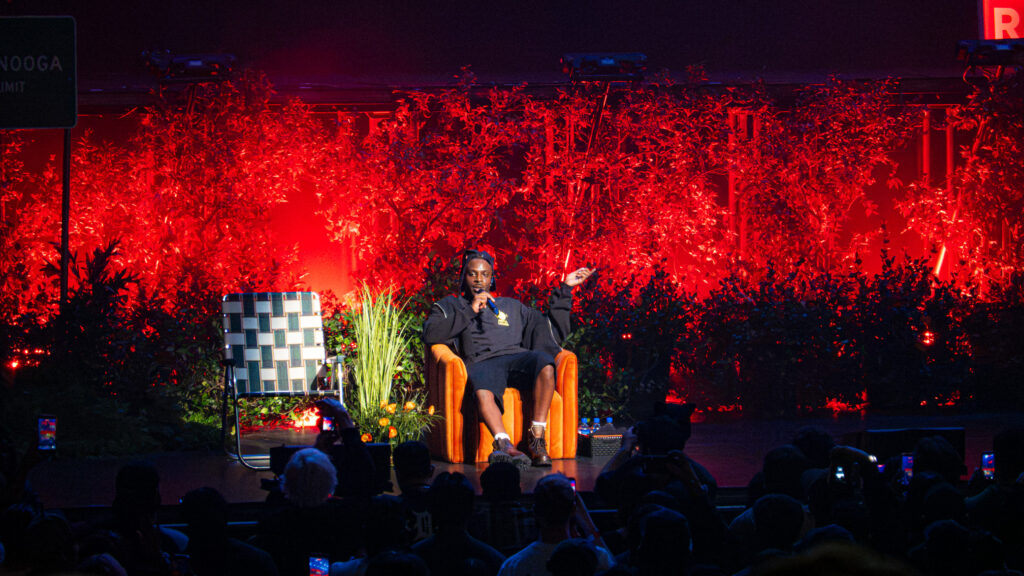
On the screen behind Isaiah Rashad, a house burned. A car appeared engulfed in flames, and a storm filled the space above him with rain and lightning. The scale of the images made the figure onstage look small beneath them. At his Anniversary Show, those sequences gave shape to a specific kind of exhaustion: facing another crisis before the last one has been absorbed.
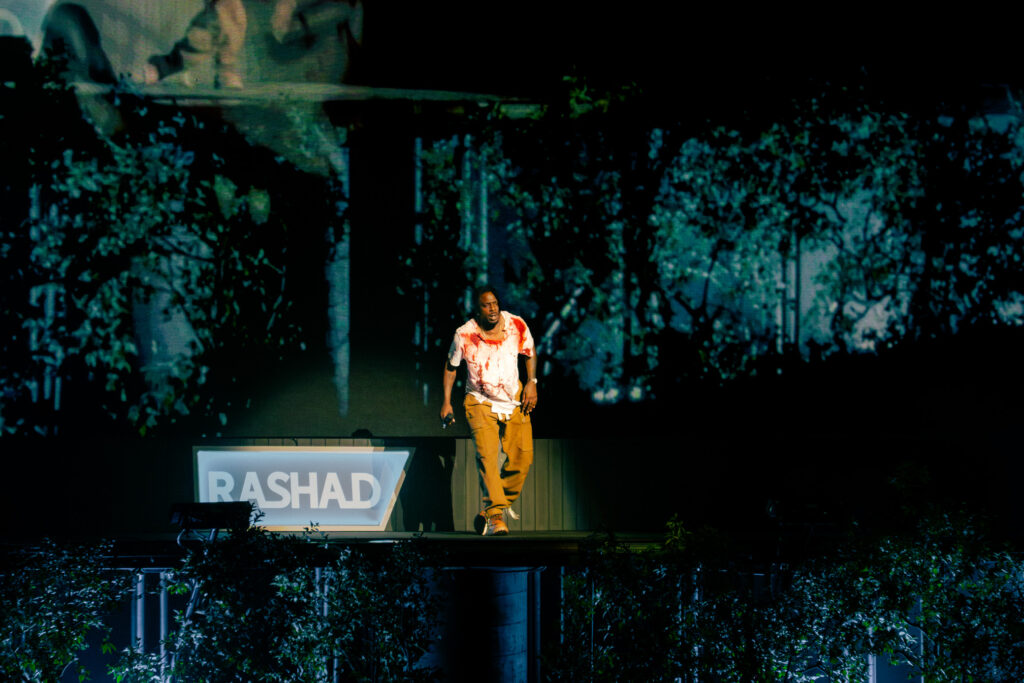
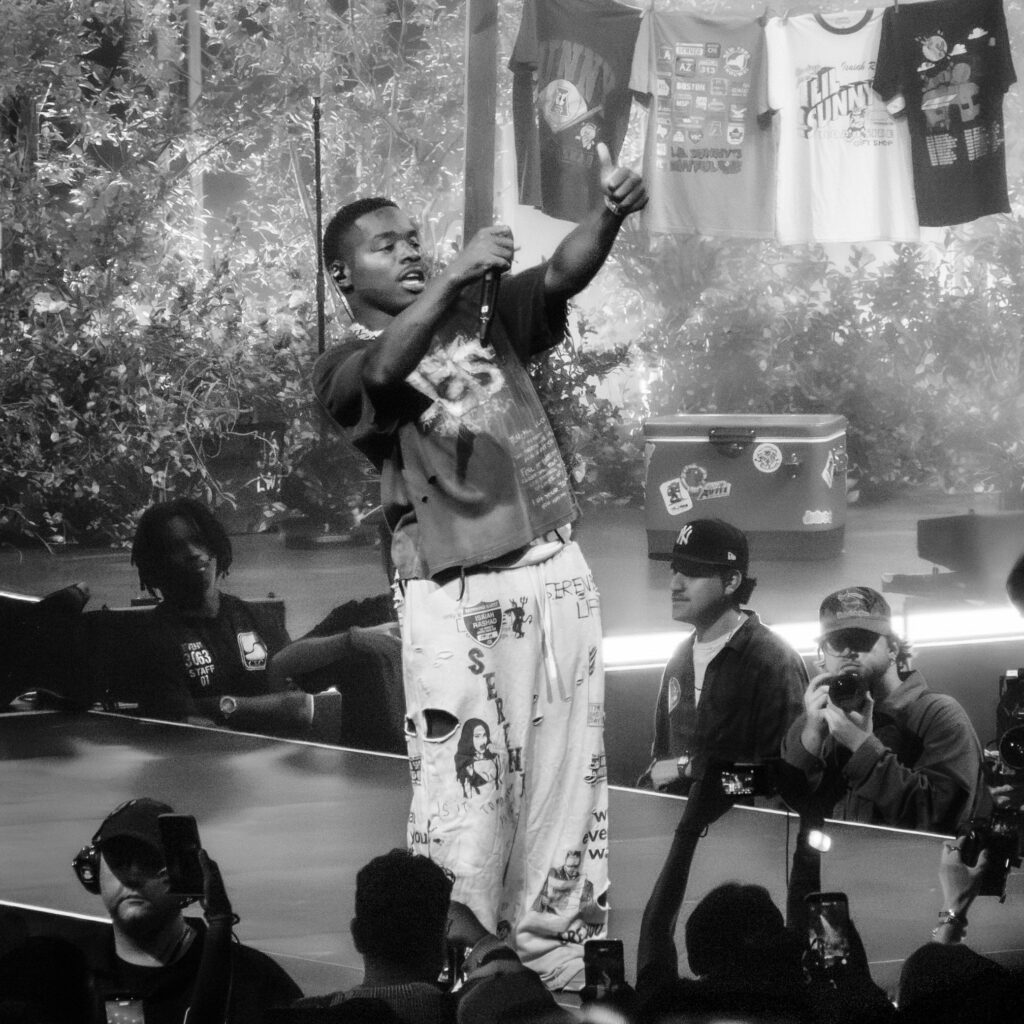
The show kept returning to that idea in different forms. Childhood footage and family narration brought earlier versions of Rashad into the room. Small jokes cut into the heavier moments. Difficult memories, humor, and affection shared the same evening, often within the same few minutes. That movement gave the performance the rhythm of a life in which several feelings exist at once, with no clean transition between them.
“It’s Been Awful”
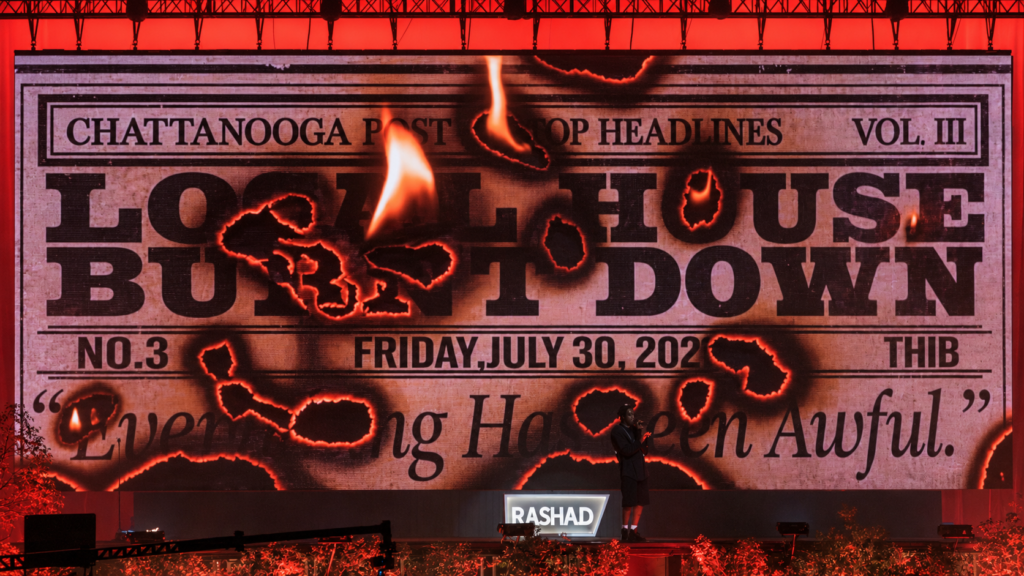
One screen took the form of a newspaper front page. The headline read “Local House Burnt Down,” and beneath it, in quotation marks, sat the line “It’s Been Awful.” The phrase can sound almost casual, especially delivered with a laugh. Onstage it carried more than that. It was the short answer a person gives when the full explanation would take more energy than they have, with a whole month, or a single bad day, folded inside it.
The Honda
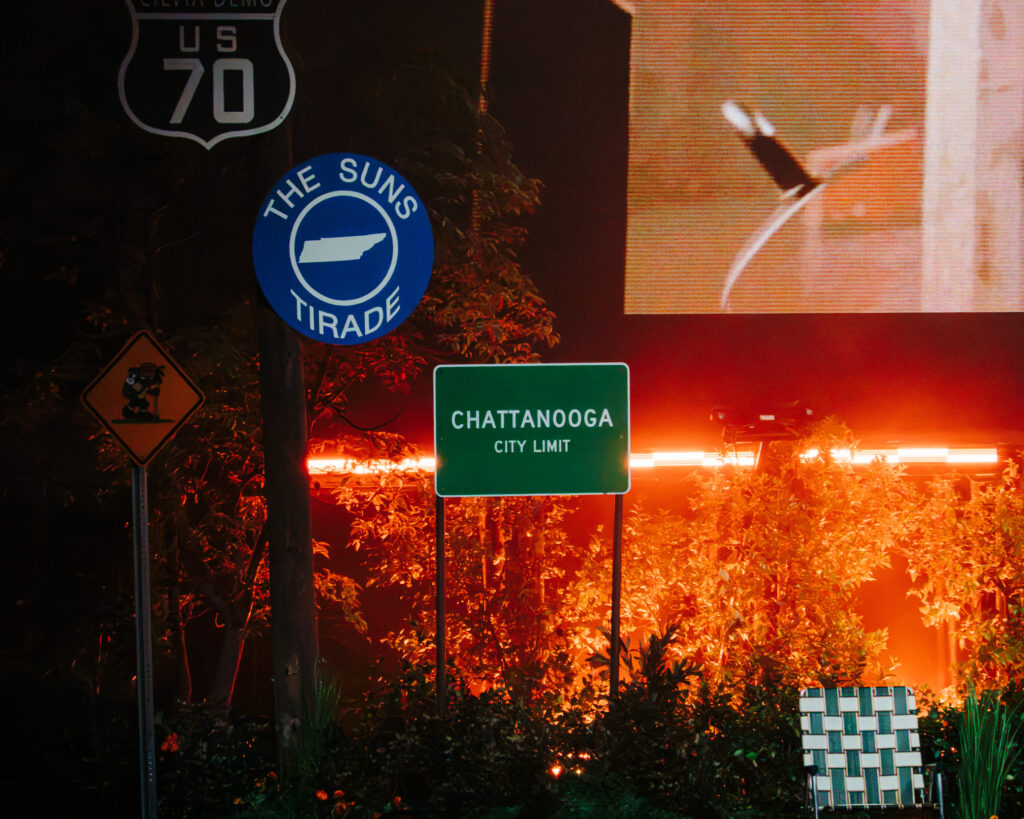
The damaged Honda evoked the pressure of depending on a car you cannot afford to repair. A car can represent independence, but damage can expose how fragile that independence is. For someone whose work and family responsibilities depend on it, an unaffordable repair becomes more than a mechanical problem. The repair may have to wait. The need for the car does not.
Childhood Footage and the Life Before the Music
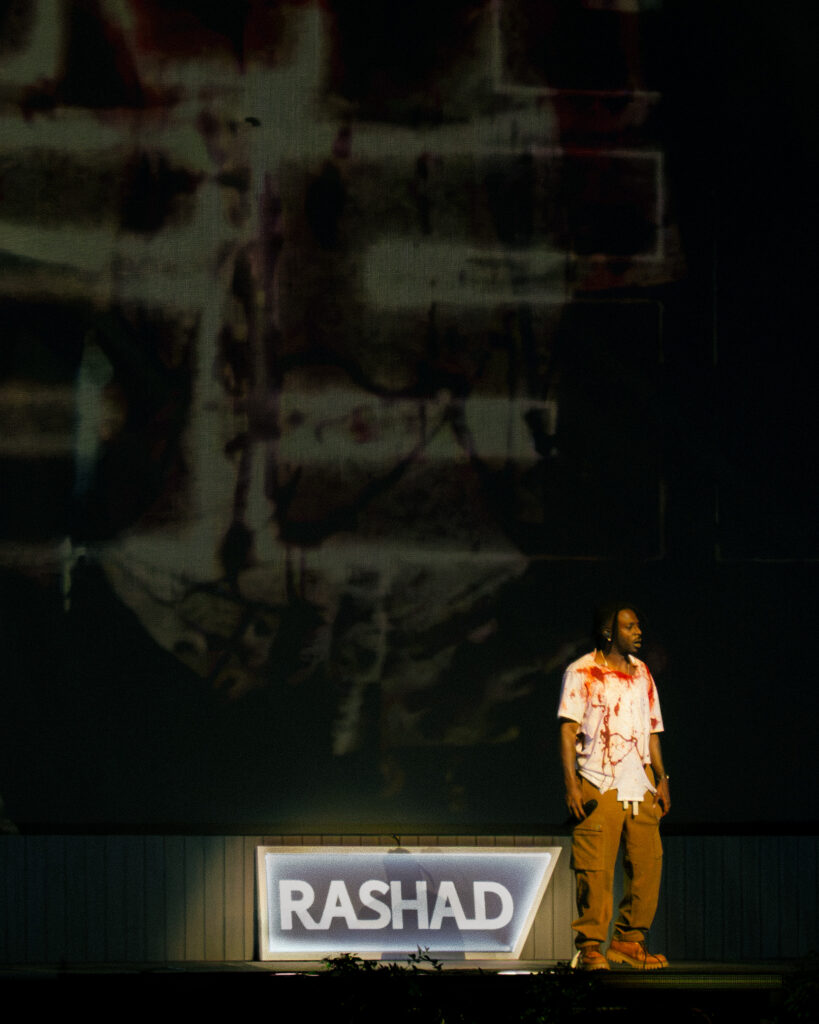
Family narration accompanied images of a younger Rashad, offering glimpses of a life that existed before the public figure the audience knew. An artist is usually encountered through finished work, after the experiences behind it have already happened. Here, those earlier years occupied the stage alongside the music.
Sharing them required a choice about how much to reveal. Family and difficult memories became part of a public performance, while much of the person remained outside the frame. The footage gave enough for recognition without supplying every answer, and the show was better for leaving that room.
“Free Lunch”
During “Free Lunch,” the screen displayed “We Accept EBT Food Stamps,” “Feed the Kids,” and “Starving Is American.” Another sign placed “FEED THE KIDS” beside a caricature of Donald Trump, its red lettering framed by blue lights. The pairing gave the song a political edge, setting a child’s immediate need next to the people who hold power over it. Alongside “Starving Is American,” the image read as a challenge to treating hunger as a private failure.
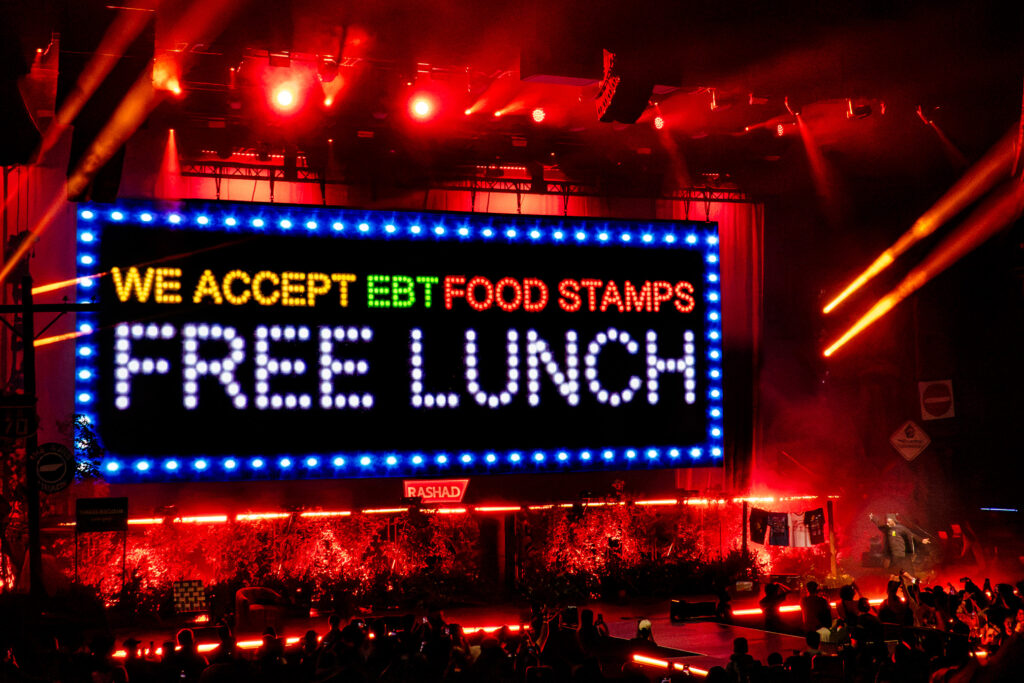
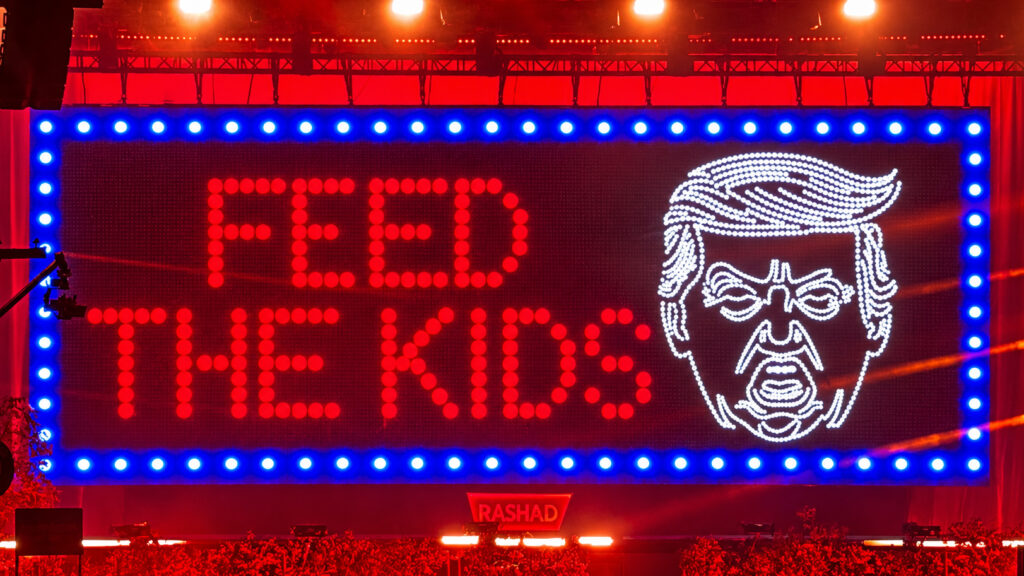
The words were large enough to fill the room, and their scale made the need impossible to overlook. The language of food assistance usually lives in small print and quiet transactions. Putting it on a concert screen brought the need, the pride, and the shame that tangle together around asking for help into open view, where the song could hold them.
What It Takes to Get Through a Month
The burning house, the car, and the storm suggested problems arriving faster than they could be managed. Beneath the rain and lightning, Rashad appeared small against the screen, and the sequence gave visual form to the feeling of having no breathing room.
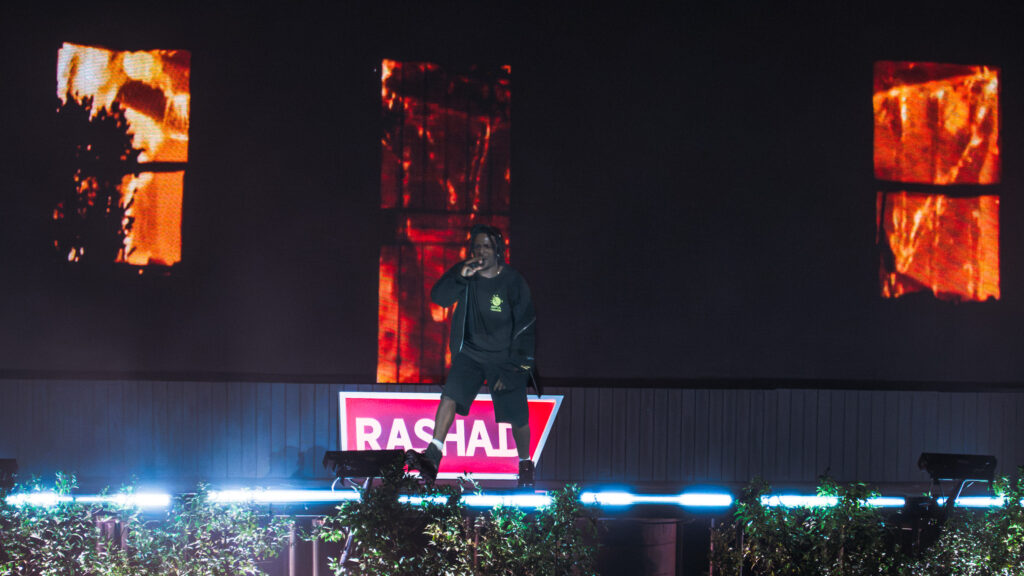
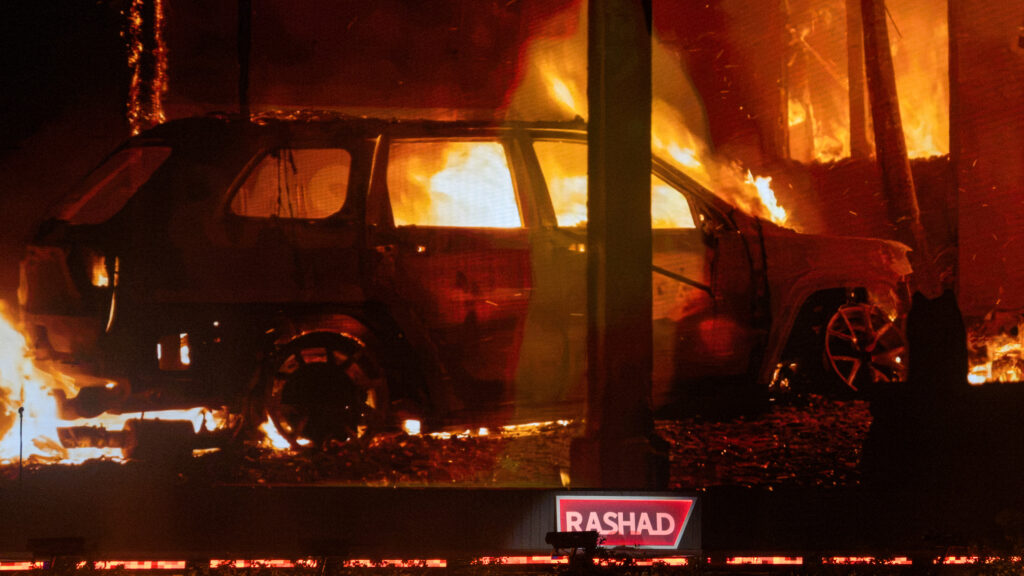
The images need no biography. A gas tank filled five dollars at a time, a phone bill on a payment arrangement, one utility paid because another can wait a little longer, a car that makes a noise no one can afford to investigate. A treat assembled from a value menu. A card at the register that may or may not go through. These pressures can spread across a month or pile into a single day, and the next morning still asks for care, work, and another round of decisions. The storm onstage made space to consider all of it.
The People Who Share the Story
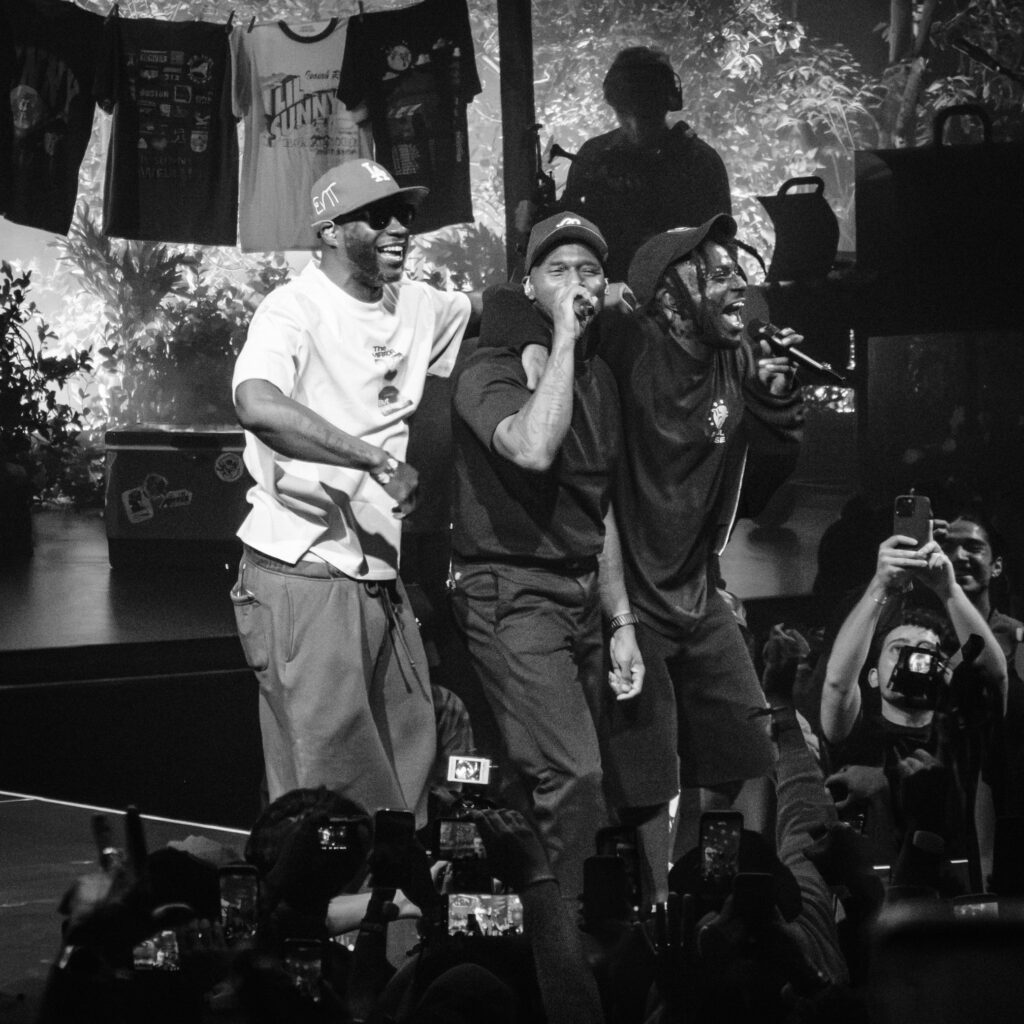
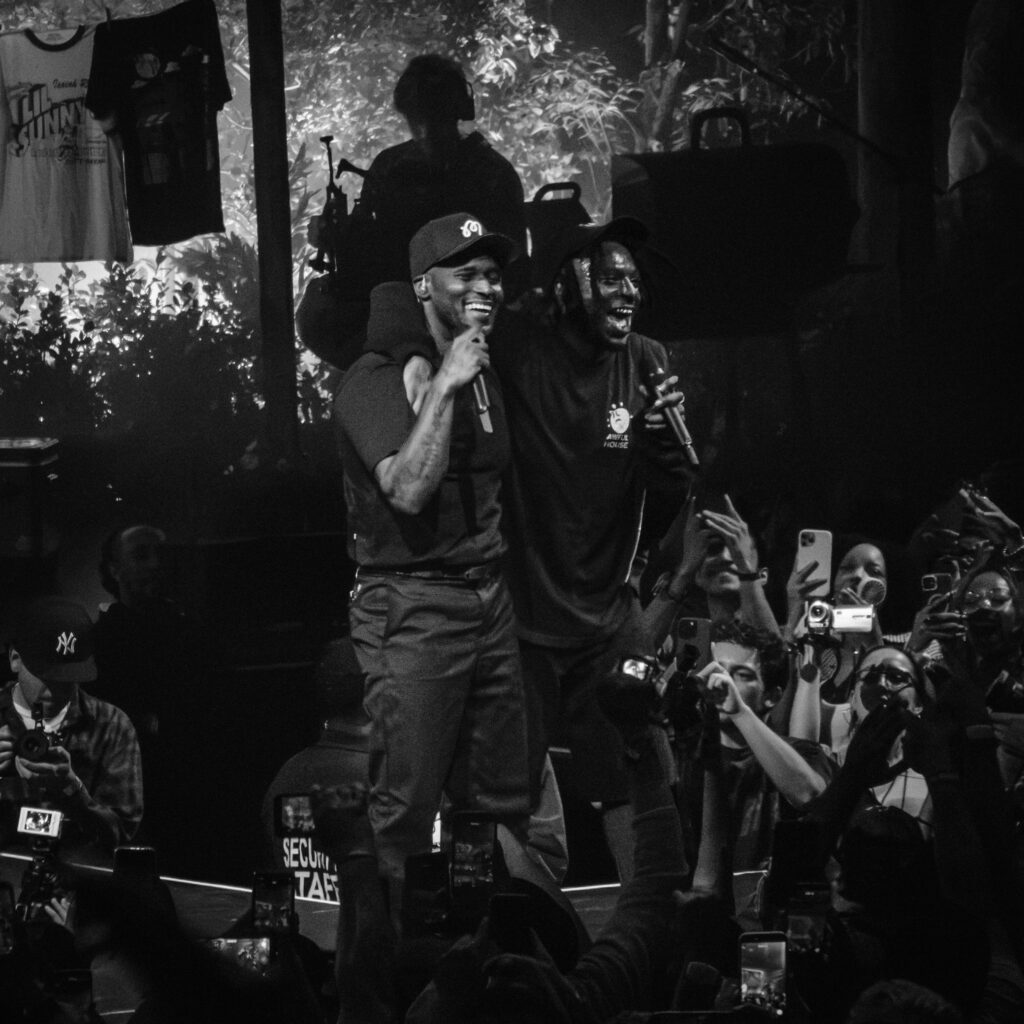
Jay Rock and ScHoolboy Q joining Rashad for “Shot You Down” brought people connected to his musical history onto the stage. Ray Vaughn joined later in the set. Their presence gave the anniversary a shared dimension. Looking back on a body of work also meant making room for the people who had become part of it.
That is a quality worth noticing in TDE’s artists. Specific detail is what lets a song outlast the circumstances that produced it; a listener returns to the same words with a different life behind them and finds a familiar line carrying new weight. Rashad’s films and images extended that relationship, giving the audience more ways into the work.
Small Jokes and Room to Exhale
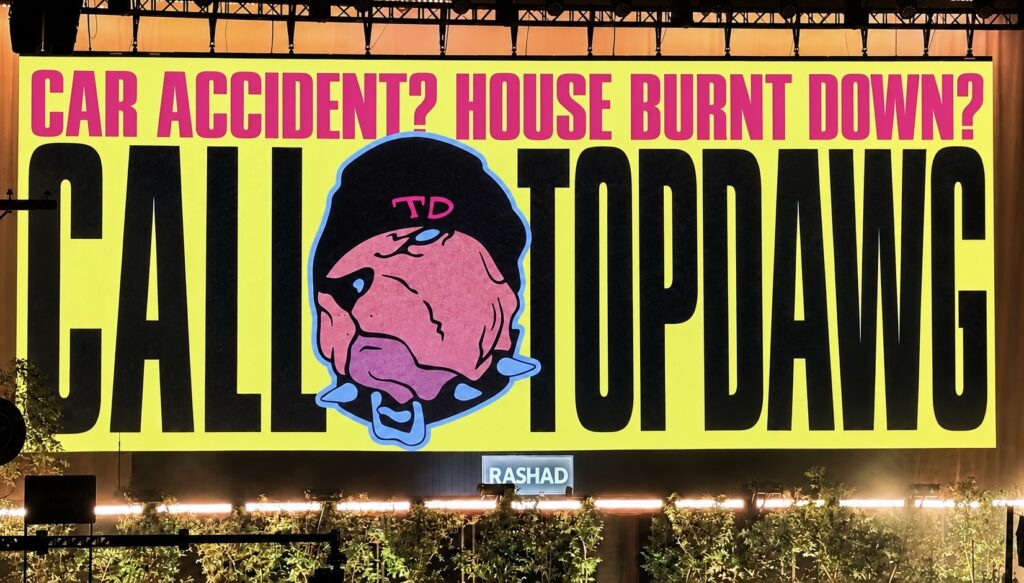
A bright yellow “CALL TOP DAWG” graphic paired “Car Accident?” and “House Burnt Down?” with a cartoon bulldog, borrowing the look of a lawyer’s billboard. The joke landed, and underneath it sat a plainer idea: having someone to call when everything goes wrong. Naming Top Dawg gave that idea a personal reference point inside Rashad’s TDE circle, and it suggested the show’s central figure did not have to carry everything alone.
Humor is part of how people live with circumstances they cannot control. The problem is still there after the laugh. For a moment, though, there is something else beside it.
What a Person Chooses to Share
The sobriety message introduced another kind of choice. Choosing not to drink can come from many places, and it does not always arrive with a story the speaker wants to explain. The audience could take what Rashad offered without being owed the reasons. In a show built partly from personal footage, that boundary mattered: openness still left room for privacy.
When the Credits Rolled
As the final footage played and the credits rolled, the evening’s parts could be held together. Fire and storms gave difficult feelings a scale that filled the stage. Humor and affection gave the performance room to move past those feelings without pretending they were gone. The Honda, the words around “Free Lunch,” and the storm offered points of connection to lives outside the frame, without claiming to know them.
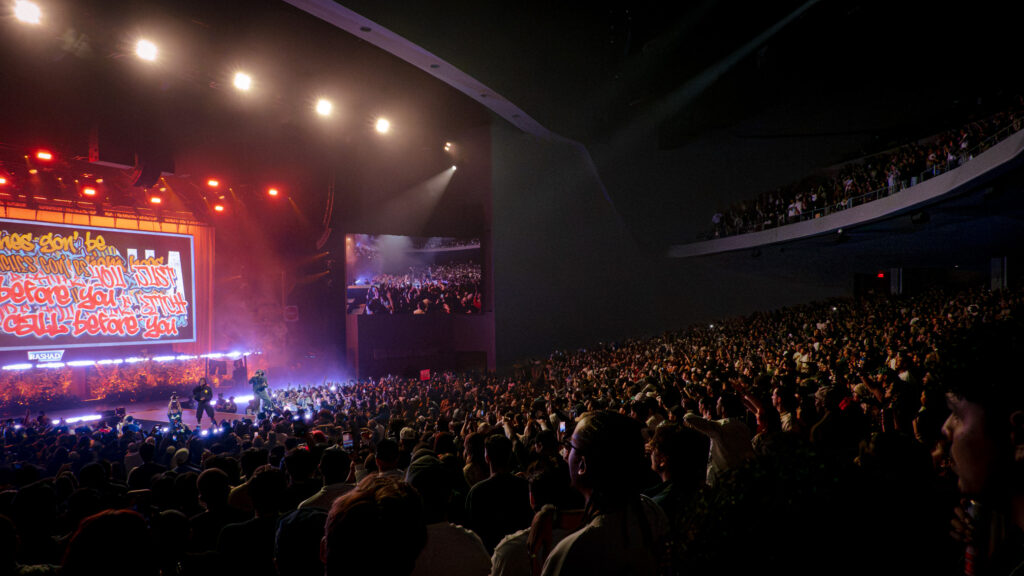
Finding room to breathe was the thread. The difficulties stayed visible, but so did the people, the memories, and the small jokes that make them easier to carry. An anniversary made space to look back at a life through the work it produced, and for the length of the show, to consider what that work could give back to the people listening.
© 2026 Zharmaine Boatman. All rights reserved.


