After the pandemic interrupted years of momentum, Long Beach Comic Con is working to rebuild its place in Southern California’s convention scene. This year’s event proved the community is still here, but it also highlighted a larger question: should the convention try to recreate what it once was, or evolve into something entirely new?
For years, Long Beach Comic Con felt like one of those annual events that had become part of the city’s cultural calendar. Fans packed the Long Beach Convention Center dressed as superheroes, anime characters and villains. Artists filled exhibitor tables with original work. Vendors arrived knowing there would be an audience waiting for them.
The convention may never have reached the scale of San Diego Comic-Con, but it had established something increasingly difficult to build in today’s crowded entertainment landscape: a loyal following.
Then the pandemic brought that momentum to a halt.

The Long Road Back After COVID-19
Like many conventions across the country, Long Beach Comic Con faced years of disruption. Although the event eventually returned, reopening the doors was only the beginning.
The fan convention industry that emerged from the pandemic looked very different from the one that existed before it.
Attendance habits changed. Travel costs increased. Fans became more selective about which conventions were worth their time and money. Artists and vendors faced rising expenses for booth space, transportation, lodging and inventory. Even passionate supporters had to make difficult choices about which shows they could realistically attend each year.
For conventions trying to regain their footing, returning was never going to be as simple as repeating the past.

Signs of Growth at Long Beach Comic Con 2026
This year’s Long Beach Comic Con, held September 5 and 6 at the Long Beach Convention Center, showed clear signs that organizers are committed to rebuilding.
Comics, cosplay, collectibles, toys, artists and industry panels once again filled the hall. Fans wandered from booth to booth discovering new creators while reconnecting with artists they had supported for years.
Perhaps most importantly, the energy that has always defined comic conventions remained intact.
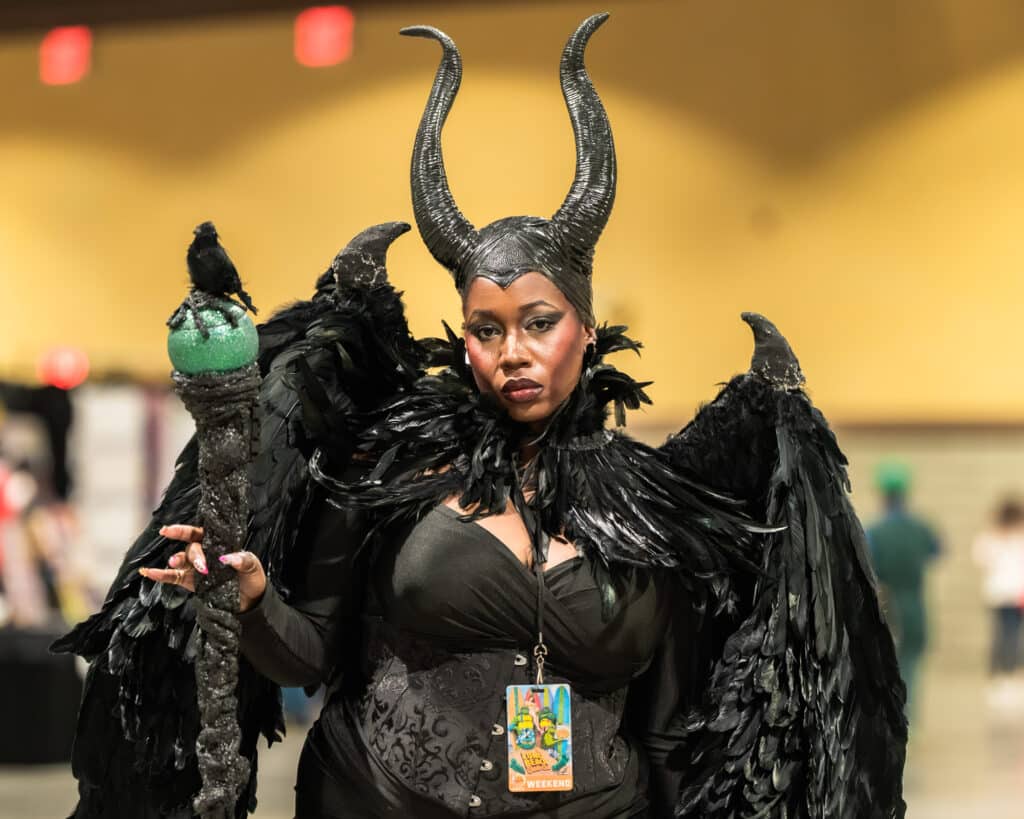
Cosplayers proudly showcased costumes that had taken weeks or even months to complete. Independent artists spent time talking directly with fans about their work. Conversations started in aisles, continued at booths and reflected the sense of community that has long been central to convention culture.
Yet despite those positive signs, it was difficult to ignore that the event felt different from its pre-pandemic peak.

Competition in an Increasingly Crowded Convention Market
Not all of those challenges were within the organizers’ control.
Scheduling a convention requires working around venue availability, competing events, holidays and an increasingly packed national convention calendar. Finding the perfect weekend is rarely possible.
This year, Long Beach Comic Con shared its dates with Dragon Con in Atlanta, one of the nation’s largest pop-culture conventions. While the two events serve different audiences, scheduling overlap still matters.
Comic creators travel. Vendors travel. Professional cosplayers travel. Fans travel.
When two conventions compete for attention during the same weekend, smaller regional events often feel the impact most. Potential guests may choose the larger show. Vendors may allocate budgets elsewhere. Fans may save their money for a different event.
Those realities are part of the modern convention business.
Why Community Still Matters More Than Crowd Size
Attendance numbers tell only part of the story.
Walking through the convention center, it became clear that the people who attended were there for a reason. Artists weren’t simply waiting for customers to appear. Many were actively engaging with returning supporters who sought them out specifically.
Fans shared recommendations, discussed favorite comics and stopped to admire creative costumes. The enthusiasm that fuels convention culture remained visible throughout the weekend.
That may be the strongest asset Long Beach Comic Con still possesses.
Large conventions often measure success through celebrity appearances, ticket sales and crowded convention floors. While those elements certainly generate excitement, they are not what originally made comic conventions important.
At their core, comic conventions have always been about connection. Readers meet creators. Artists meet supporters. Fans find communities that share their interests.
Those moments were still happening throughout Long Beach Comic Con.
Does Long Beach Comic Con Need a New Identity?
The more significant question may not be whether the convention can return to its former size.
The question is whether it should.
The convention industry has changed dramatically over the past several years, and Long Beach has changed alongside it. Attempting to become a smaller version of San Diego Comic-Con, WonderCon or Los Angeles Comic Con may not be the strongest long-term strategy.
Instead, Long Beach Comic Con could benefit from focusing on what makes it uniquely positioned within Southern California.
Investing in Independent Creators
Independent artists remained one of the event’s strongest attractions this year. Expanding opportunities for creators could help differentiate the convention from larger competitors that often focus heavily on major entertainment brands.
Building Local Partnerships
Strong partnerships with Long Beach comic shops, schools, libraries, filmmakers, game developers and arts organizations could create experiences that feel rooted in the city rather than easily replicated elsewhere.
Creating Experiences Fans Cannot Find Anywhere Else
Today’s fans have access to countless conventions throughout California and beyond. Giving attendees unique programming, localized experiences and deeper community engagement could provide a compelling reason to choose Long Beach Comic Con over competing events.
Why Long Beach Itself Could Be the Convention’s Greatest Strength
One advantage that should not be overlooked is the city itself.
Long Beach has a distinct identity shaped by its arts scene, diverse communities, waterfront culture and creative history. A convention held here has the opportunity to embrace that identity rather than operating as a generic pop-culture event.
That local connection could become a defining feature.
It could also help attract new audiences who may not consider themselves traditional comic convention attendees but are interested in local art, creative industries and community events.
Accessibility Remains an Important Advantage
Not every fan can afford a trip to one of the country’s largest conventions.
Regional events continue to serve an important role by providing accessible entry points for families, young creators and first-time attendees.
For some children, a convention like Long Beach Comic Con may be their first opportunity to meet a professional artist, purchase artwork directly from a creator or imagine themselves working in a creative field one day.
Those experiences still matter.
They may matter more than attendance totals alone.
The Future of Long Beach Comic Con
None of this diminishes the challenges ahead.
Artists, vendors and special guests need enough attendance to justify participation. Organizers must continue attracting new audiences while retaining loyal supporters. The convention also needs a clear identity that separates it from the growing number of pop-culture events competing for the same audience.
What this year’s event demonstrated is that the foundation still exists.
The artists showed up. The cosplayers showed up. Fans returned eager to support creators and reconnect with a community they care about.
What’s less clear is what comes next.
Can Long Beach Comic Con grow back into the event many remember from before the pandemic? Or is its future tied to becoming something different, something designed specifically for today’s fandom landscape rather than yesterday’s?
The answer could determine more than attendance numbers.
It could determine whether Long Beach Comic Con spends the next few years trying to recover what’s been lost or discovers a new identity capable of carrying the convention forward for years to come.