Andrew McMahon Brings Three Eras Together at Three Pianos in Long Beach
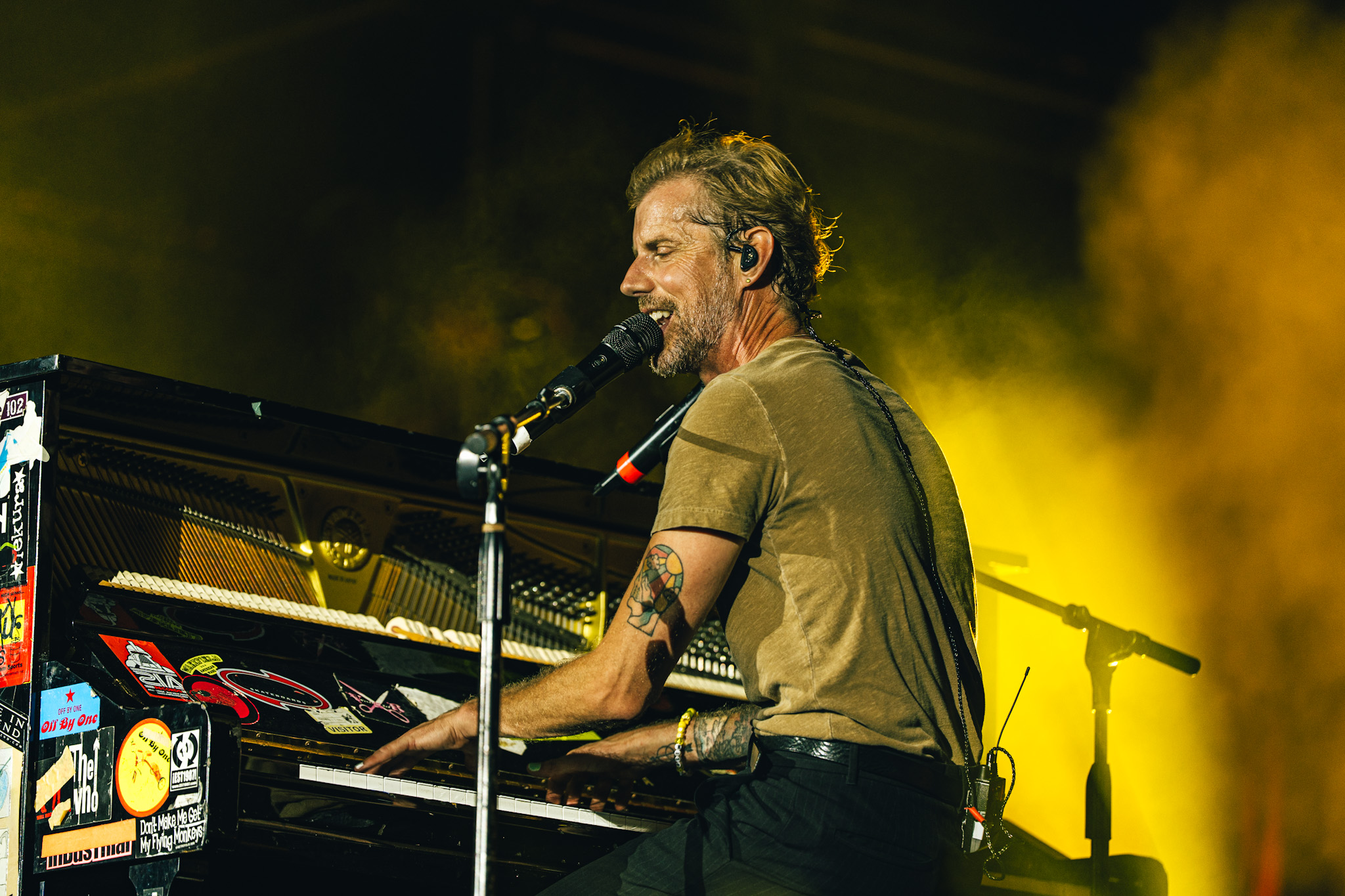
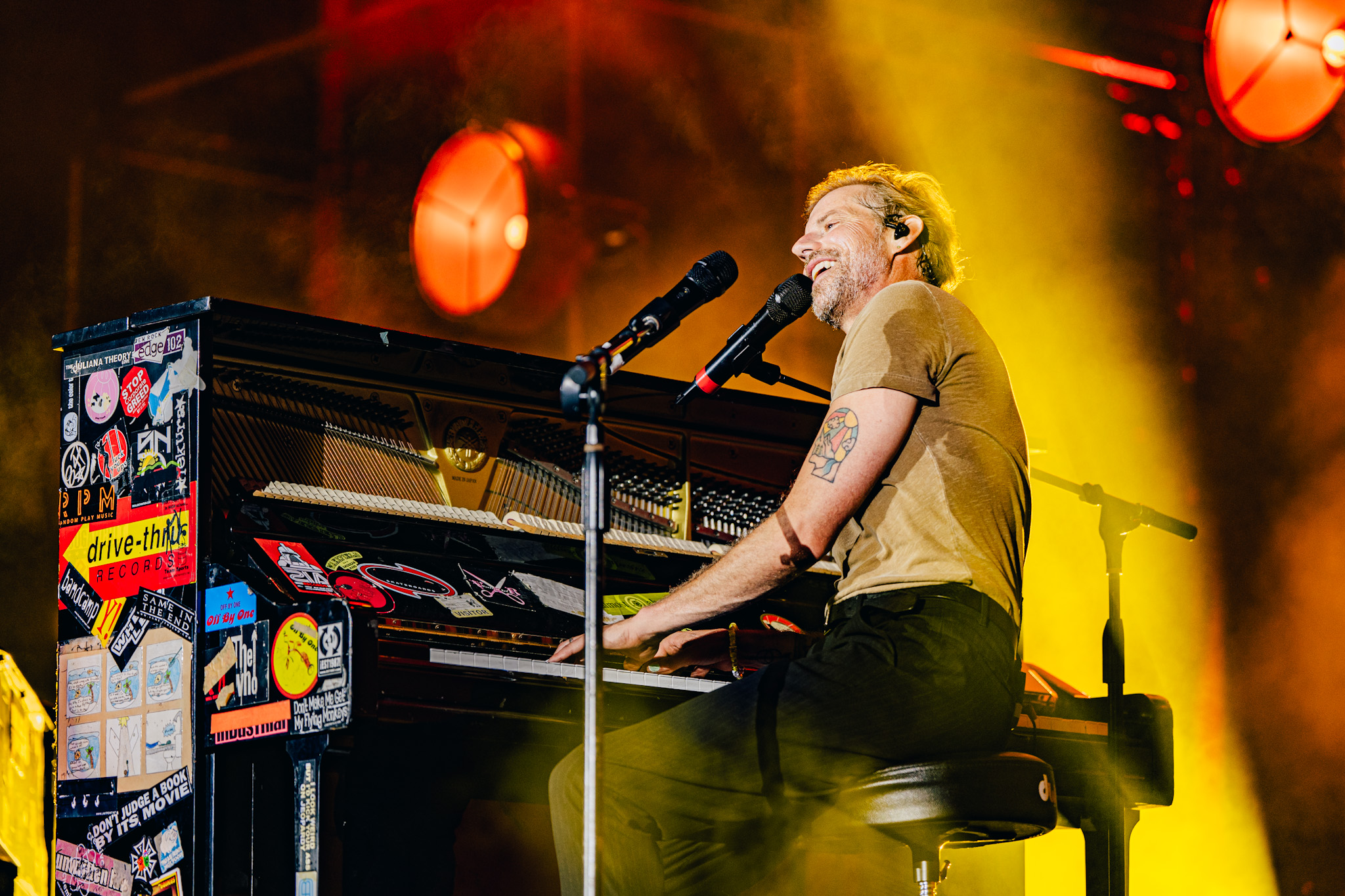
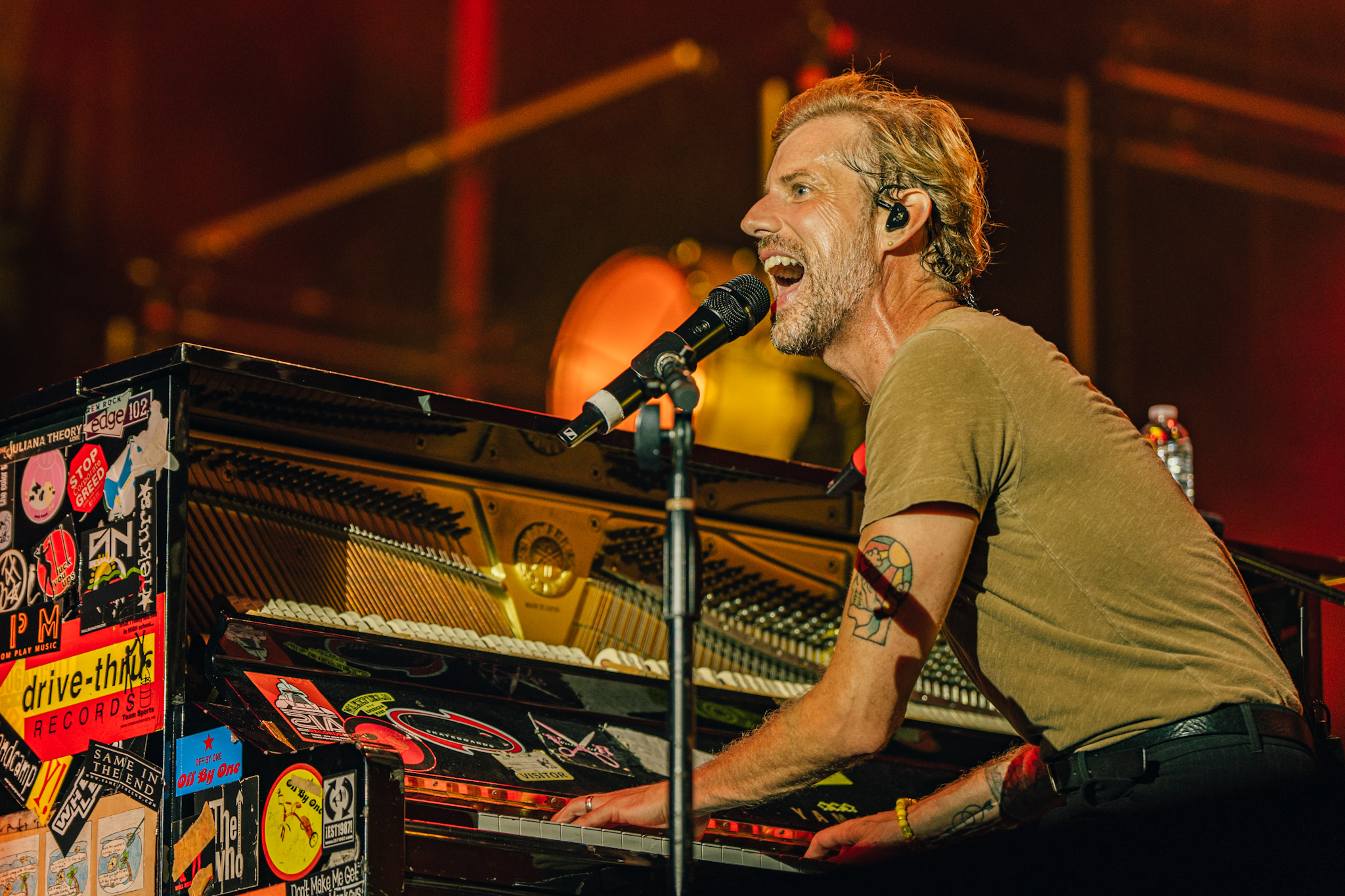
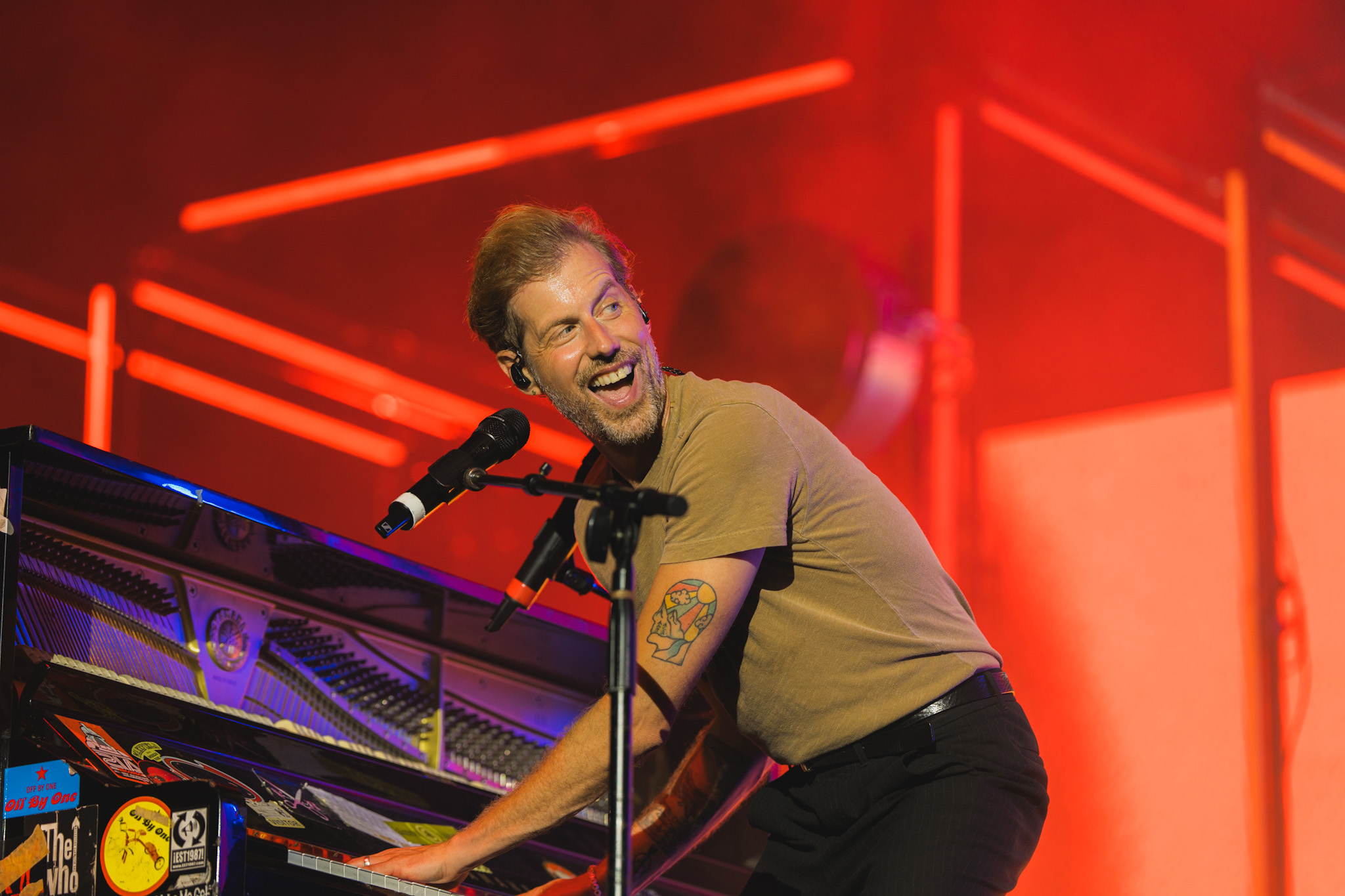
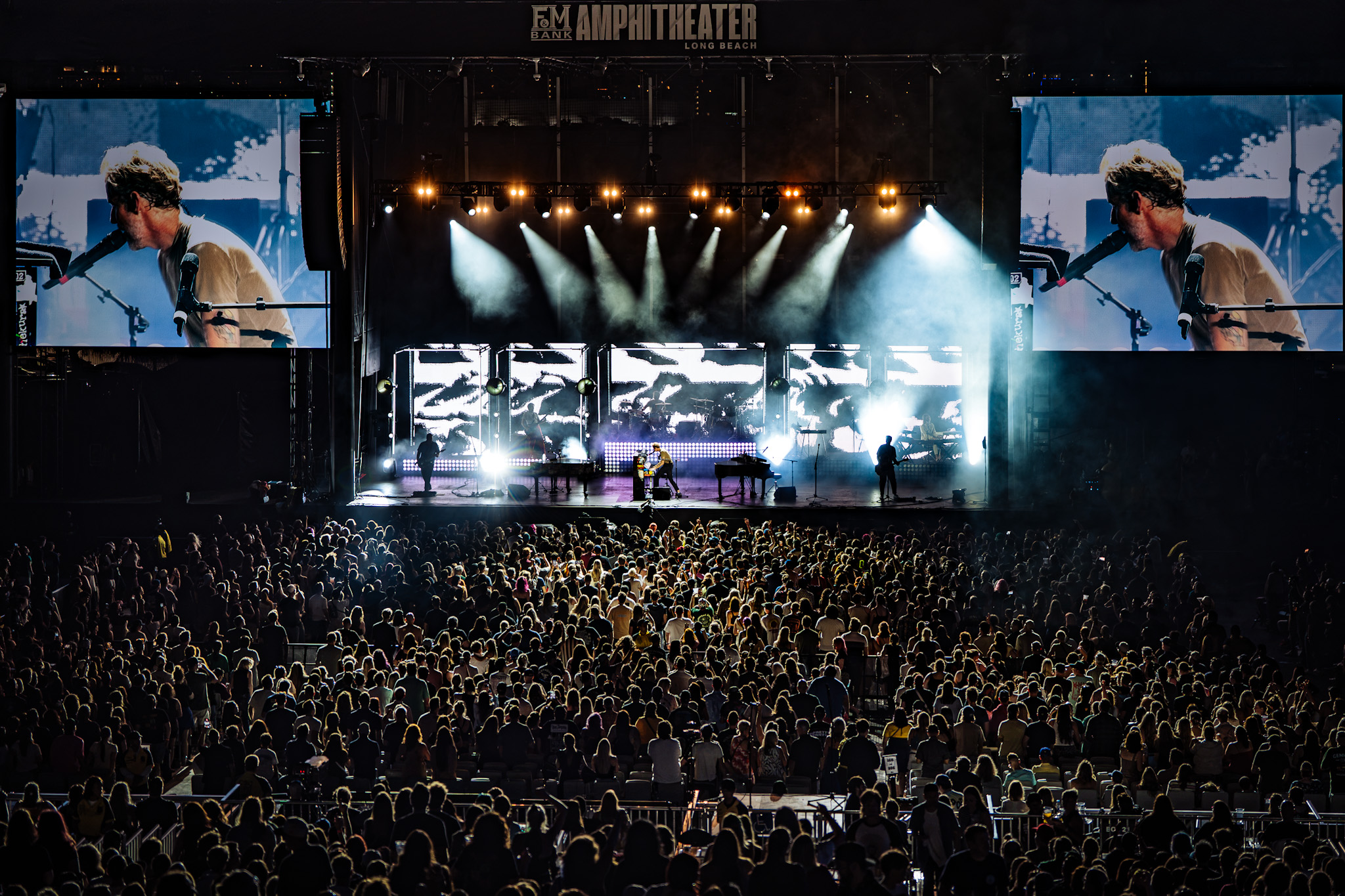
Andrew McMahon brought Something Corporate, Jack’s Mannequin and Andrew McMahon in the Wilderness together for Three Pianos at F&M Bank Amphitheater of Long Beach on August 22.
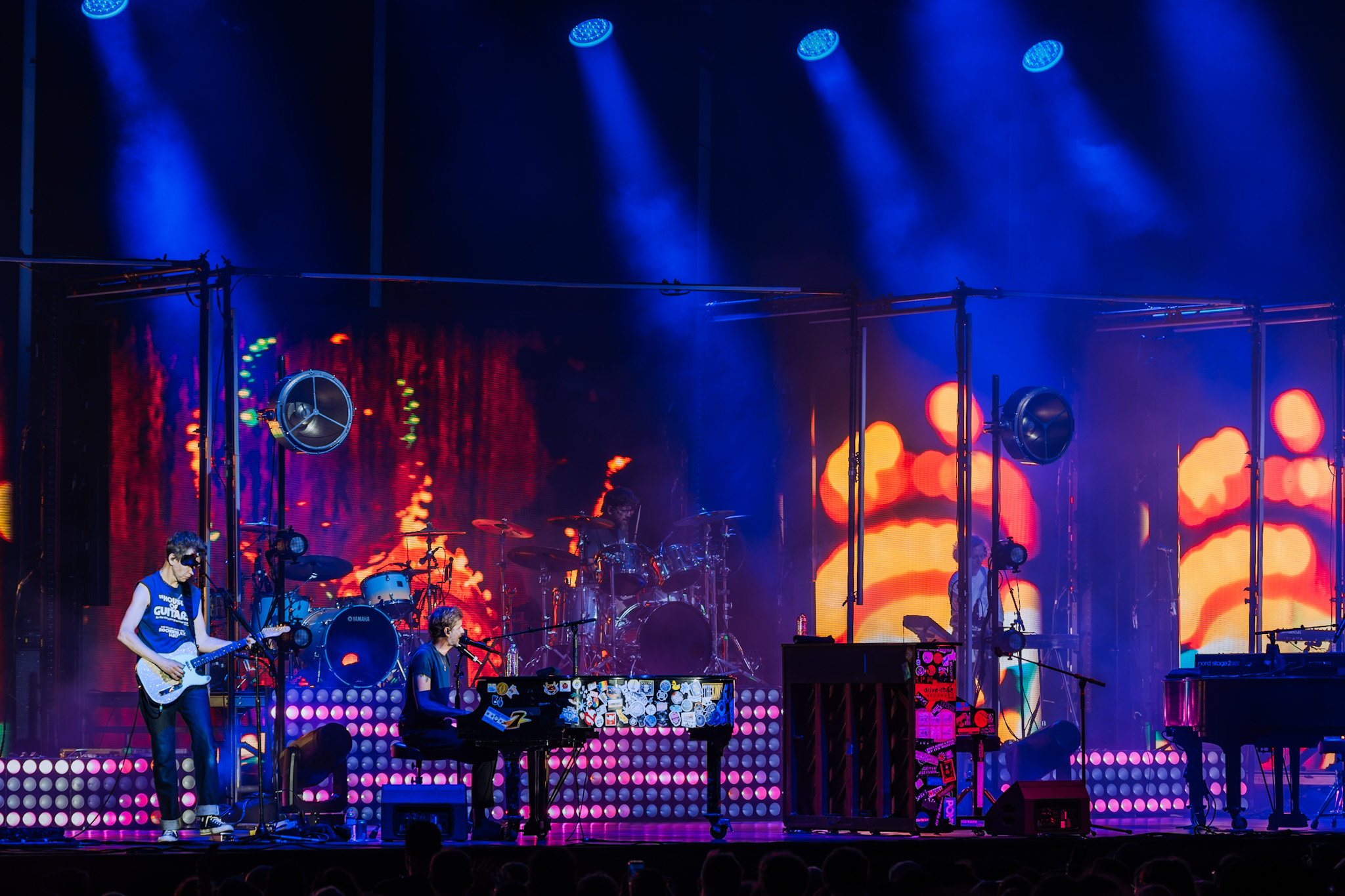
The show covered more than 25 years of his career, but what stood out most was how much artistry went into presenting each era. Three pianos sat onstage, each representing a different part of his musical history, and McMahon moved between them throughout the night.
One dollar from every ticket sold went to the Dear Jack Foundation, the nonprofit McMahon founded after surviving leukemia, which supports adolescents and young adults diagnosed with cancer.
This was my first real introduction to his music, so I wasn’t coming into the show with years of memories attached to the songs. I was mainly watching how he performed, and that alone was enough to pull me in.
Off the Bench and Into the Crowd
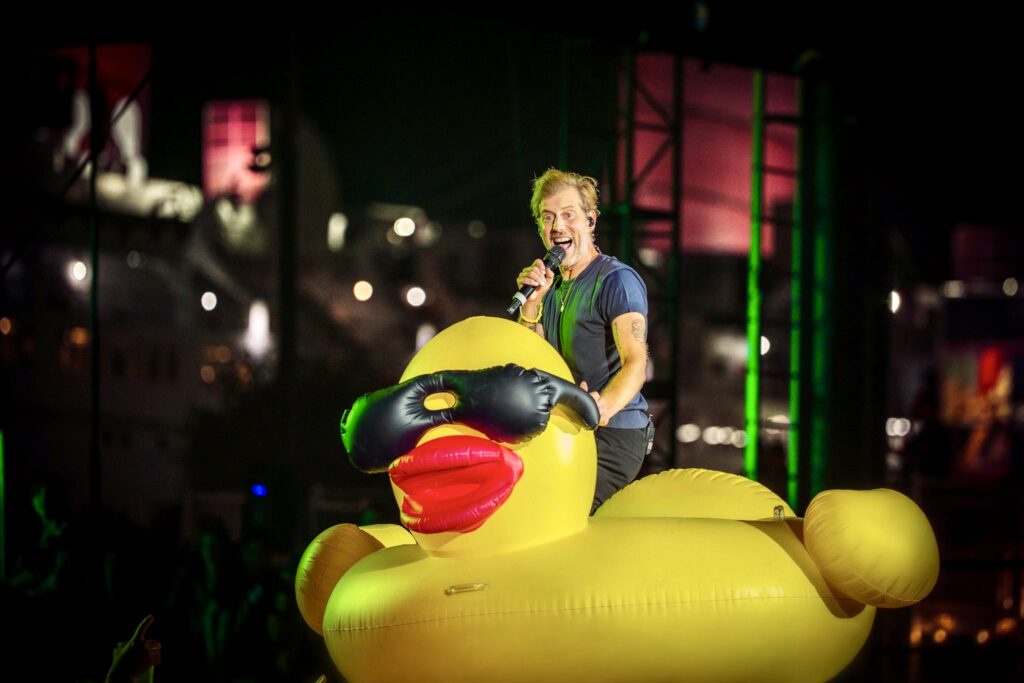
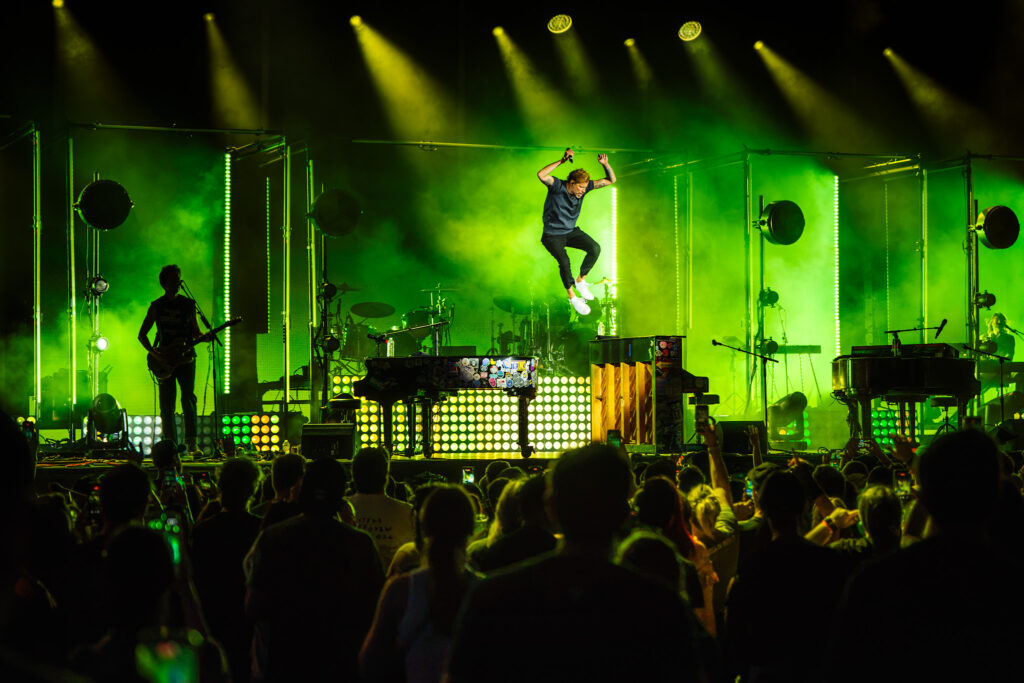
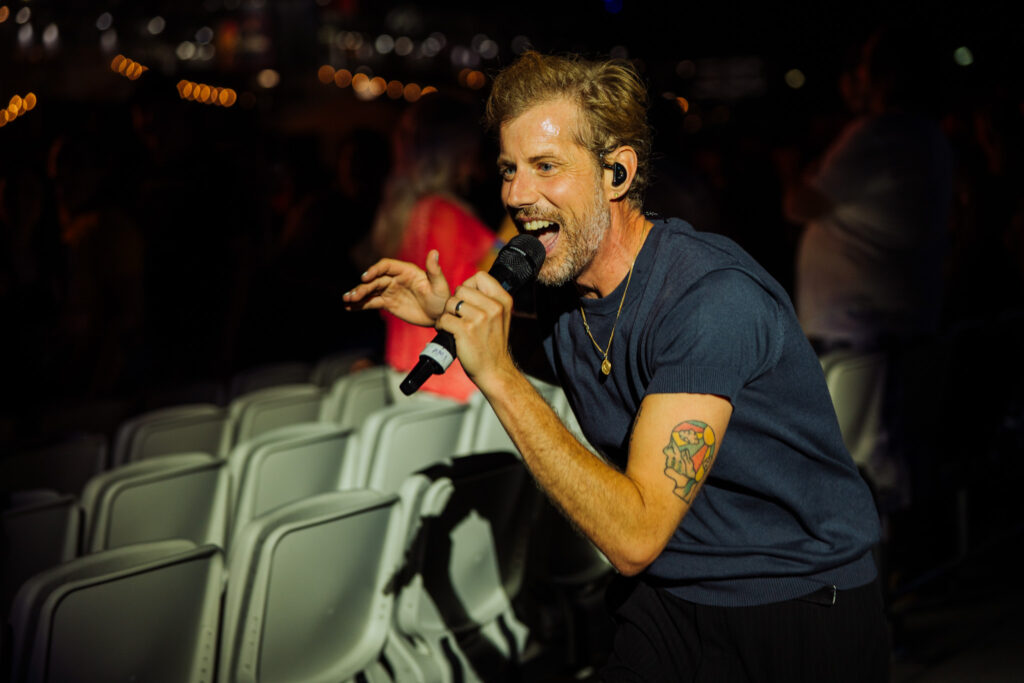
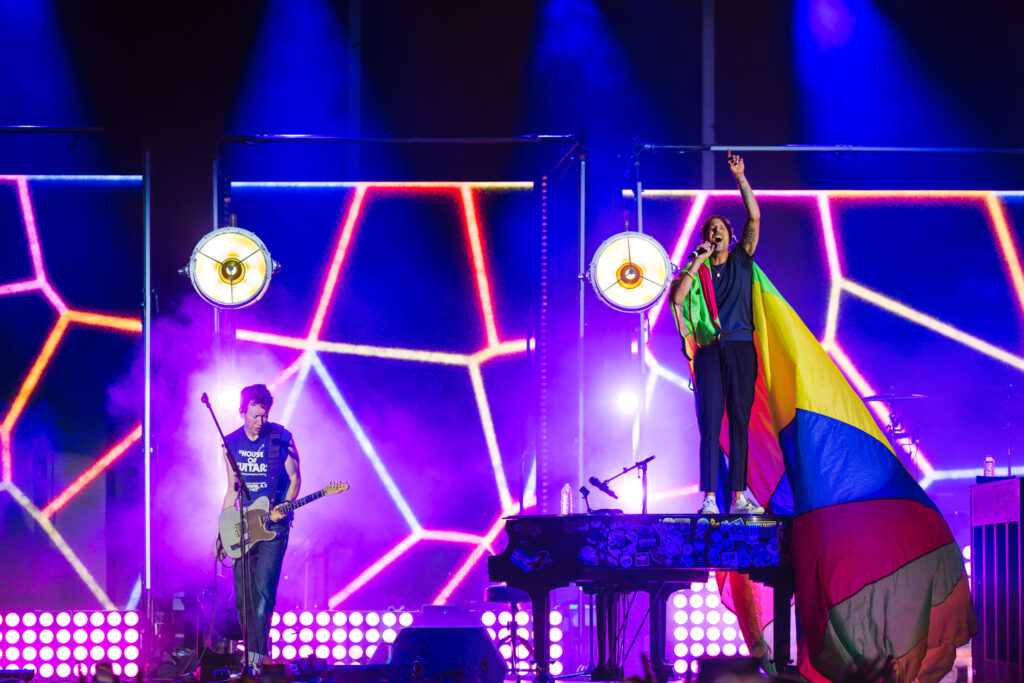
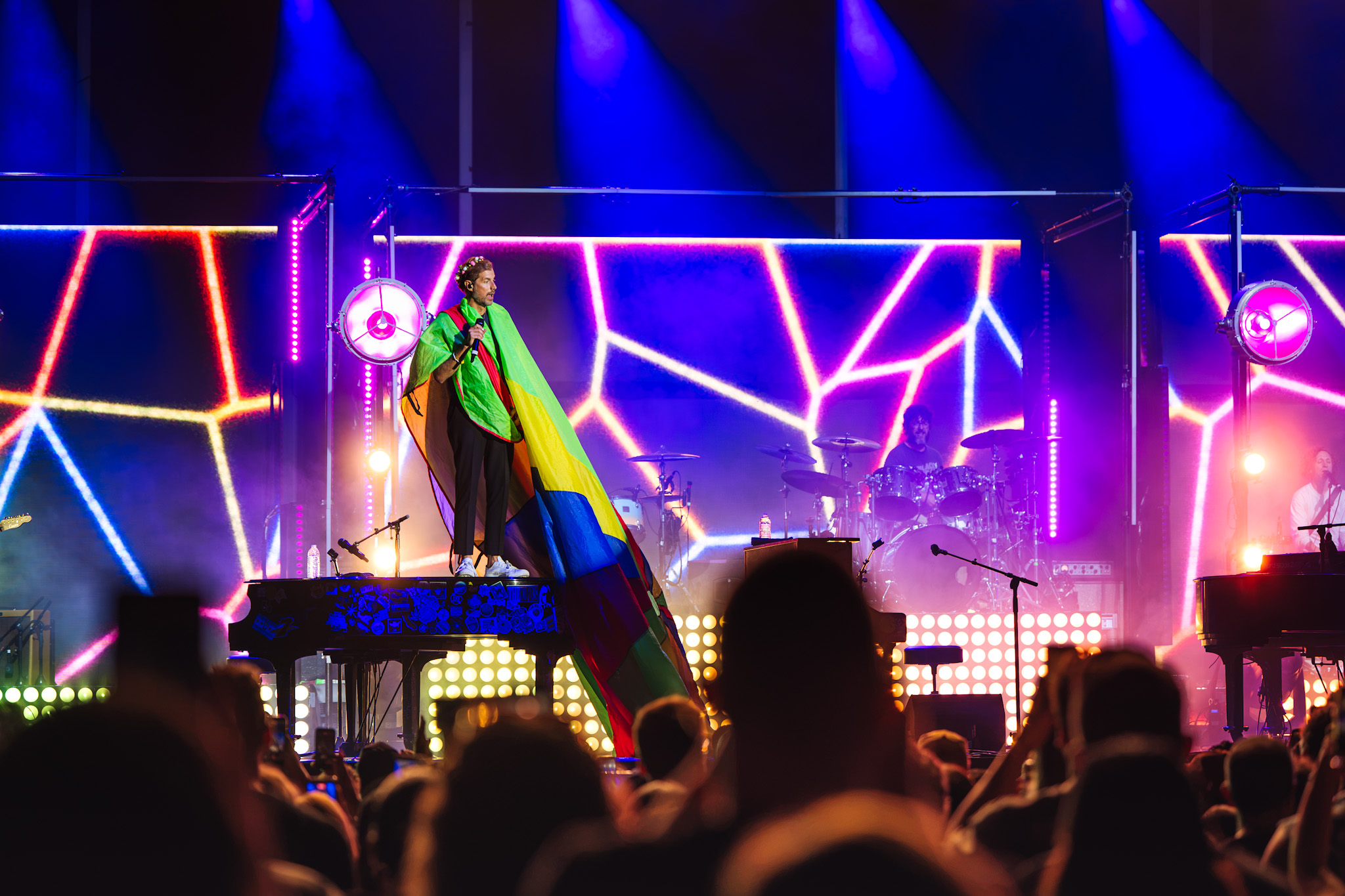
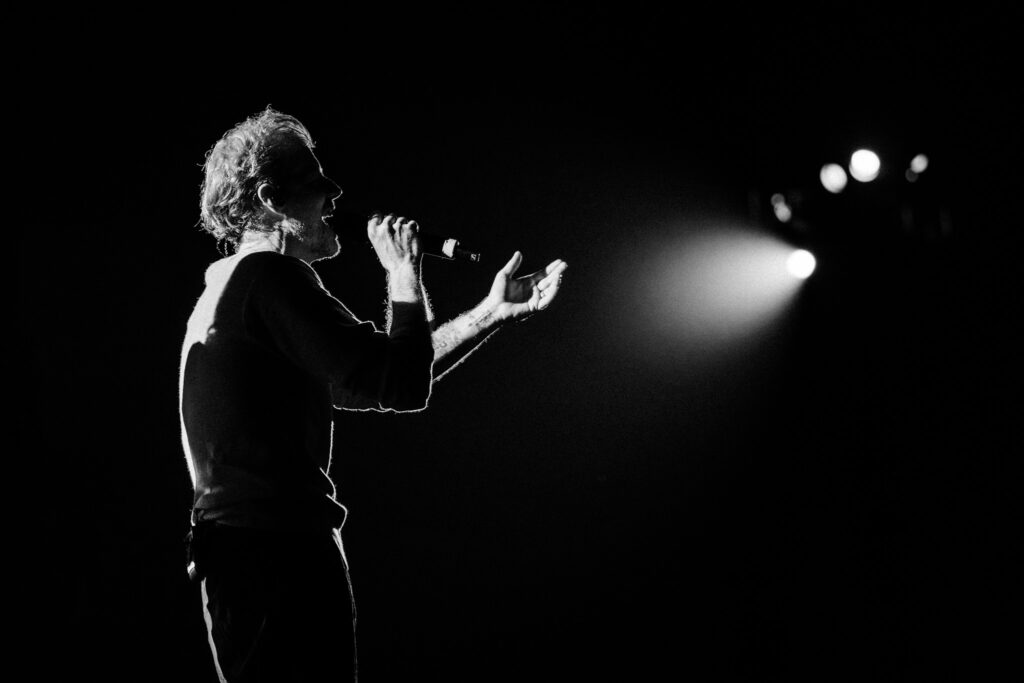
McMahon is incredibly physical onstage. He climbed onto the pianos, jumped from them, moved constantly and at one point even used his feet to play the keys. None of it felt forced. It was just part of the way he performed.
There was something almost instinctive about the way he moved around the stage. One minute he was seated at a piano and fully locked into a song, and the next he was standing on top of it or moving across the stage with a completely different level of energy.
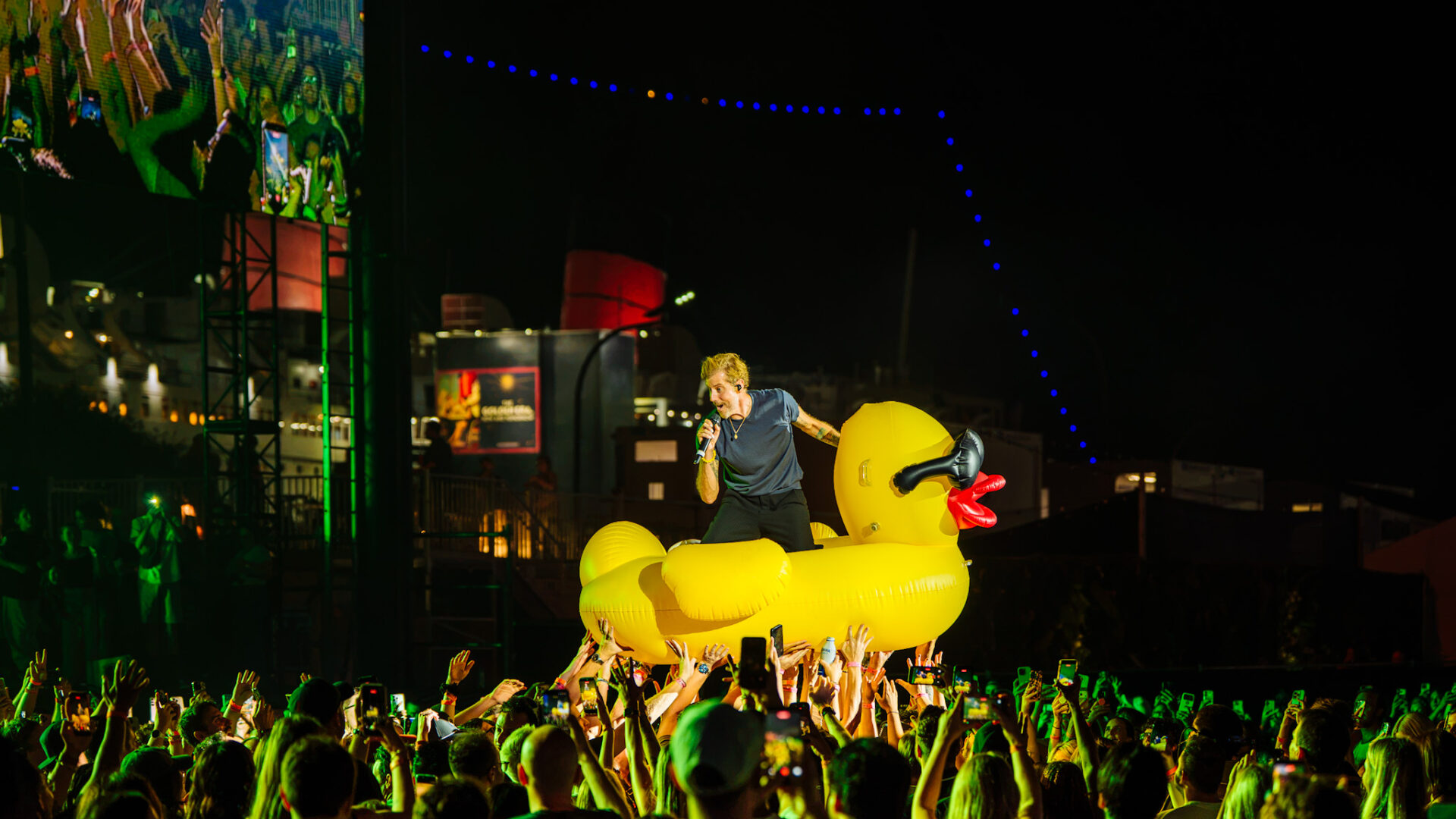
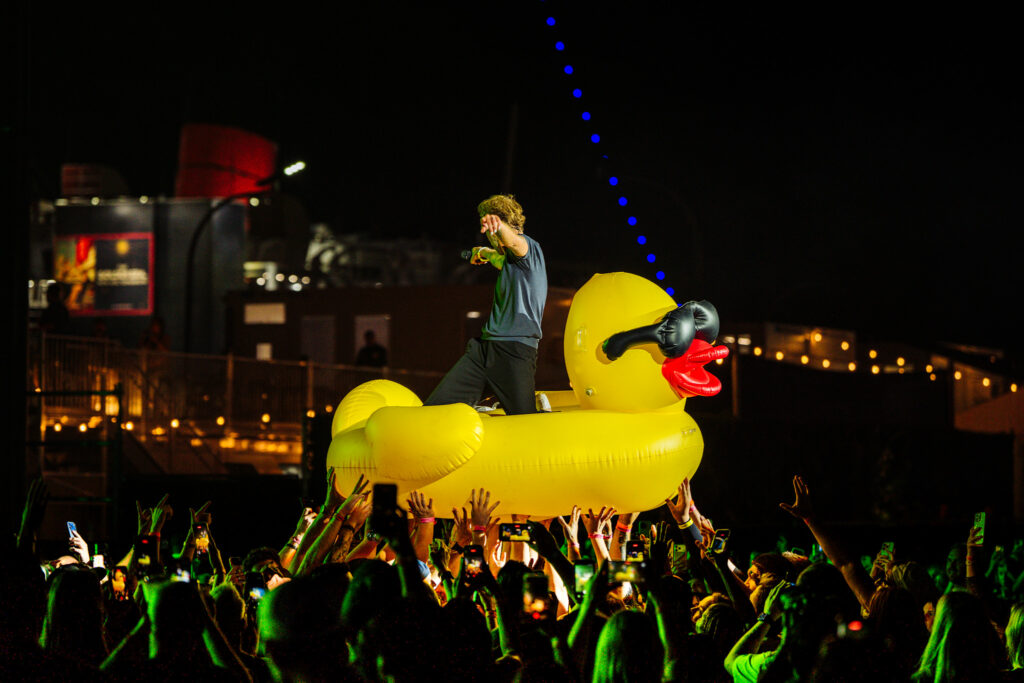
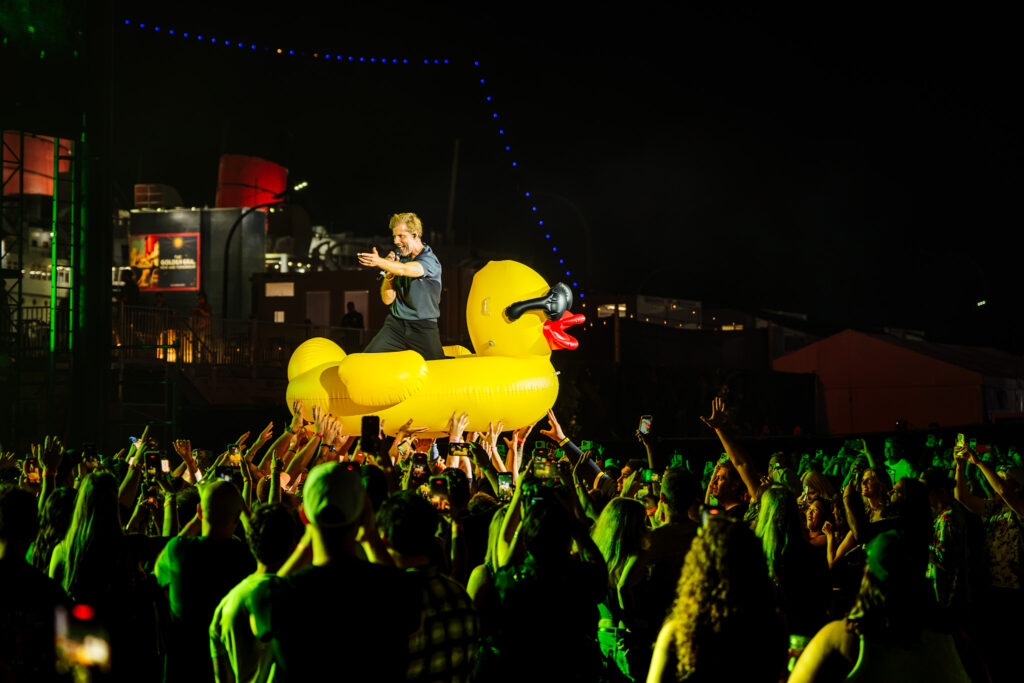
He also went into the crowd. At one point he came off the stage and crowd surfed on an inflatable duck, riding over the audience while the band kept playing.
That moment said something about the relationship he has with this crowd. You cannot do that unless you trust the people holding you up. After a show built around looking back at 25 years of his career, handing himself over to the audience felt like part of the same story.
The three pianos gave the show a clear visual structure without making it feel overly staged.
What the Three Pianos Actually Represent
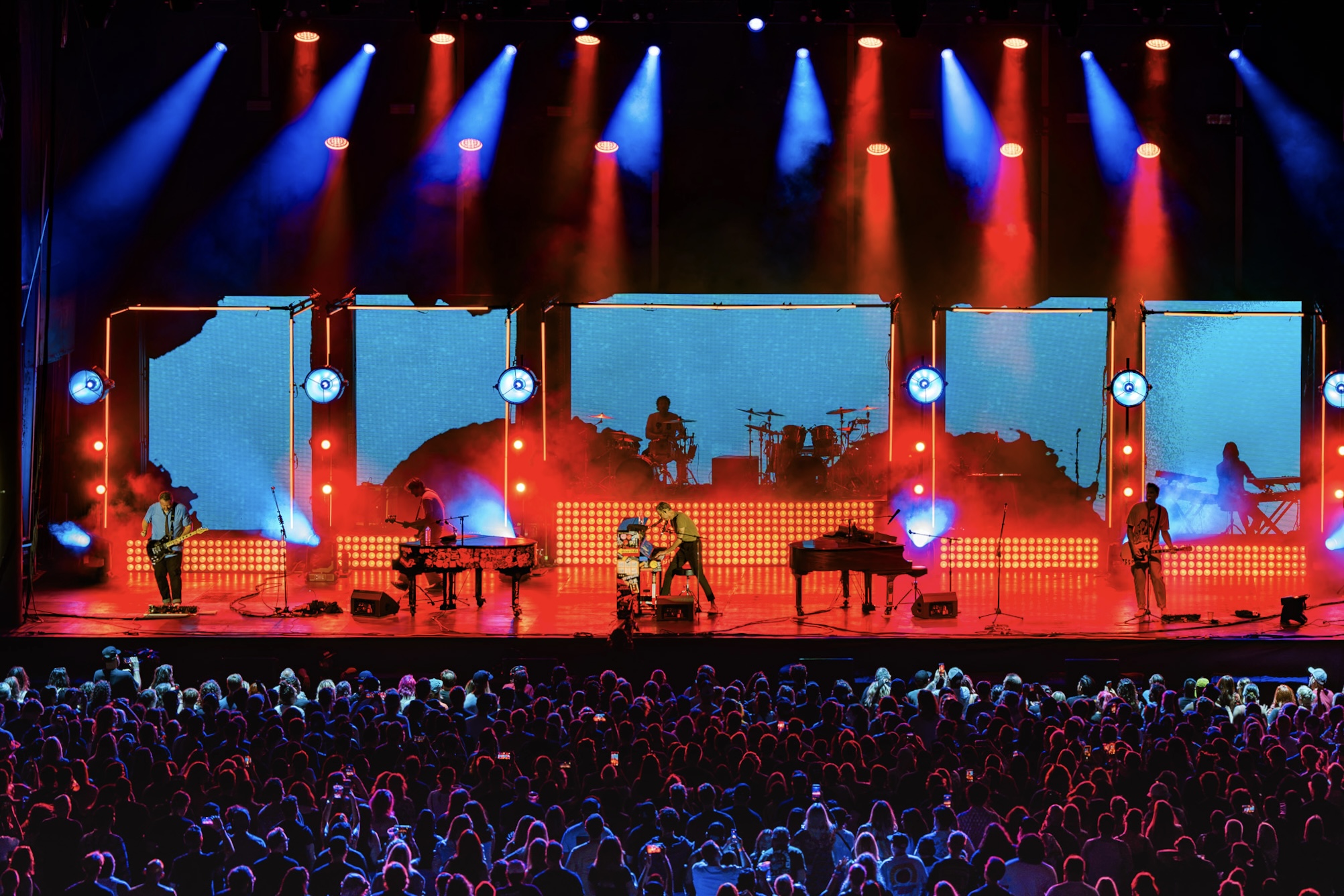
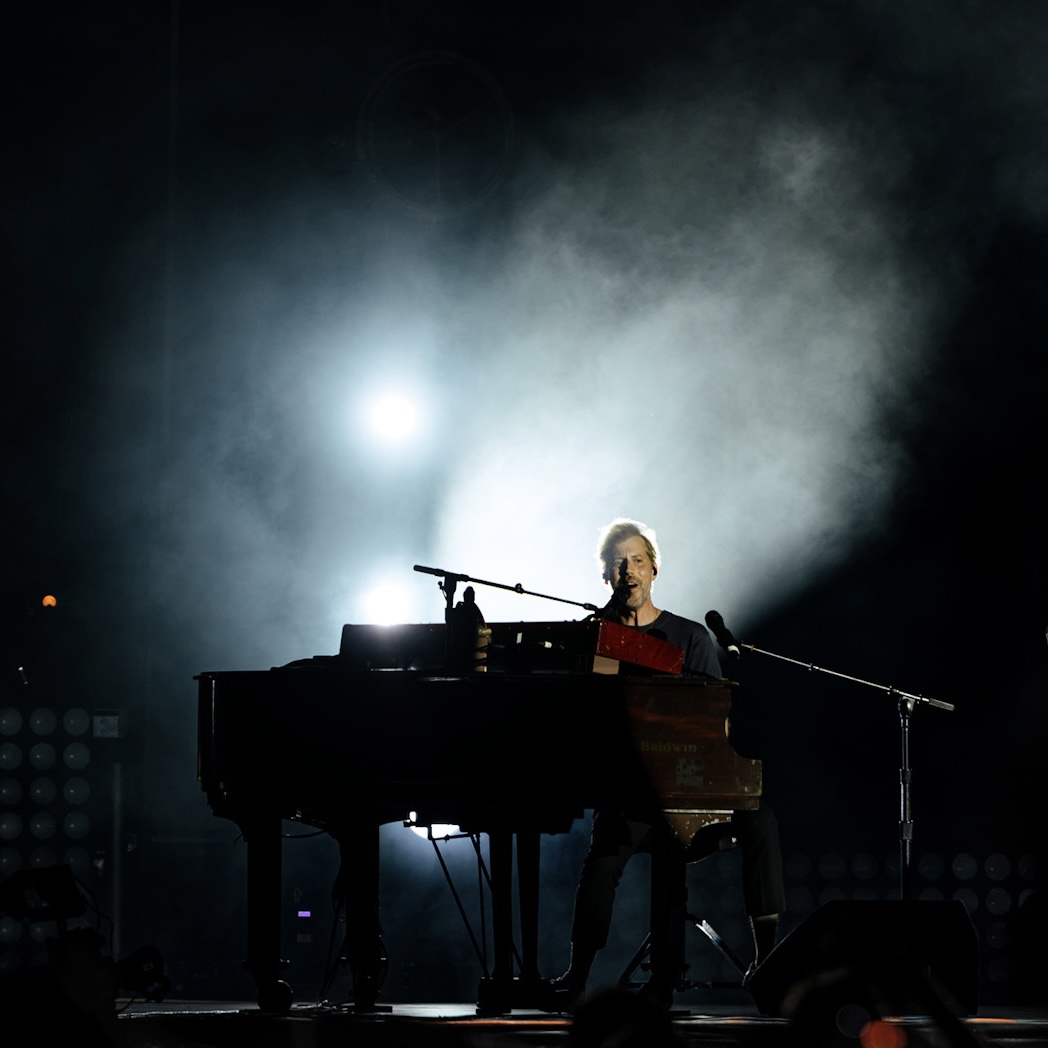
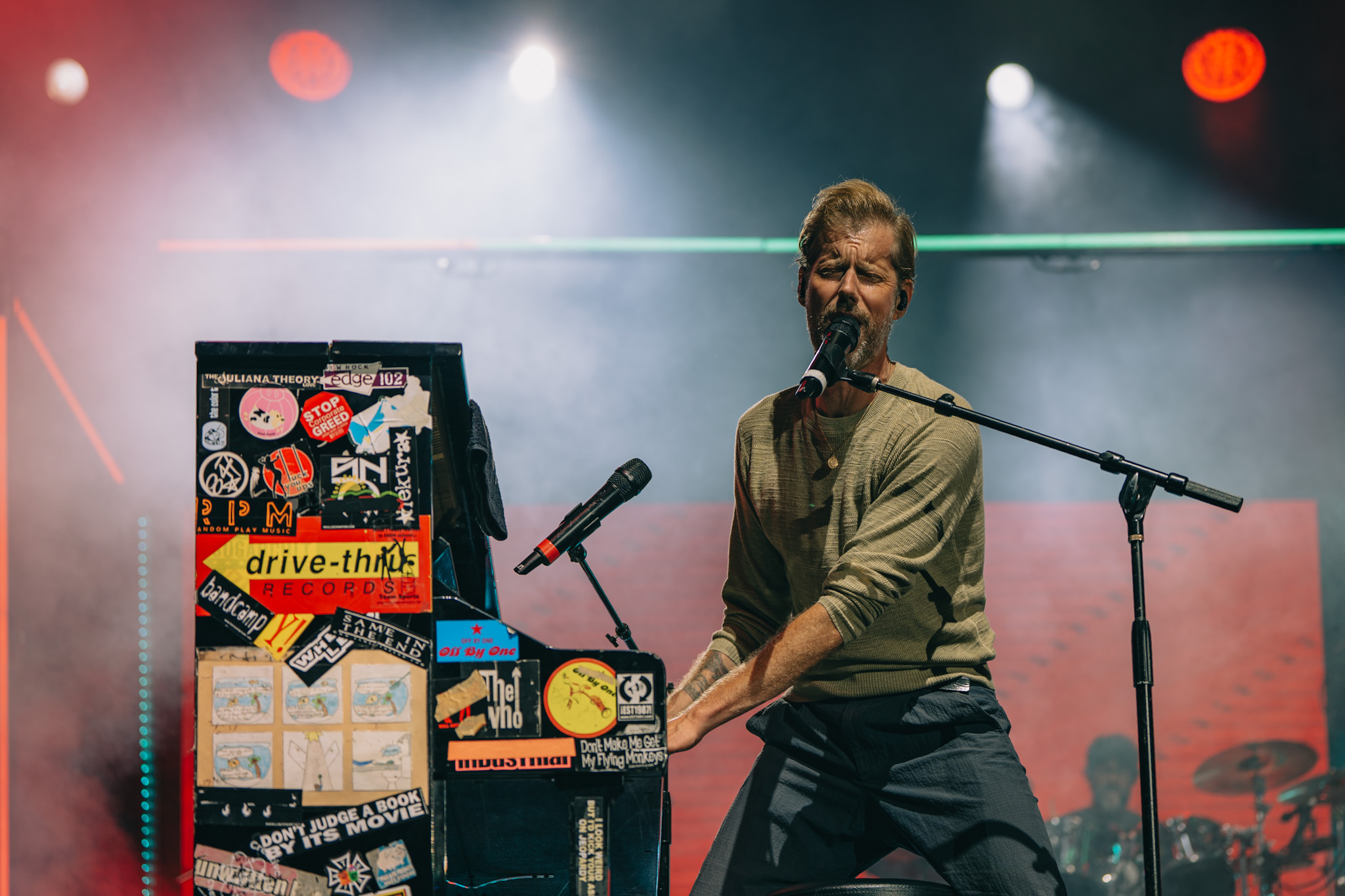
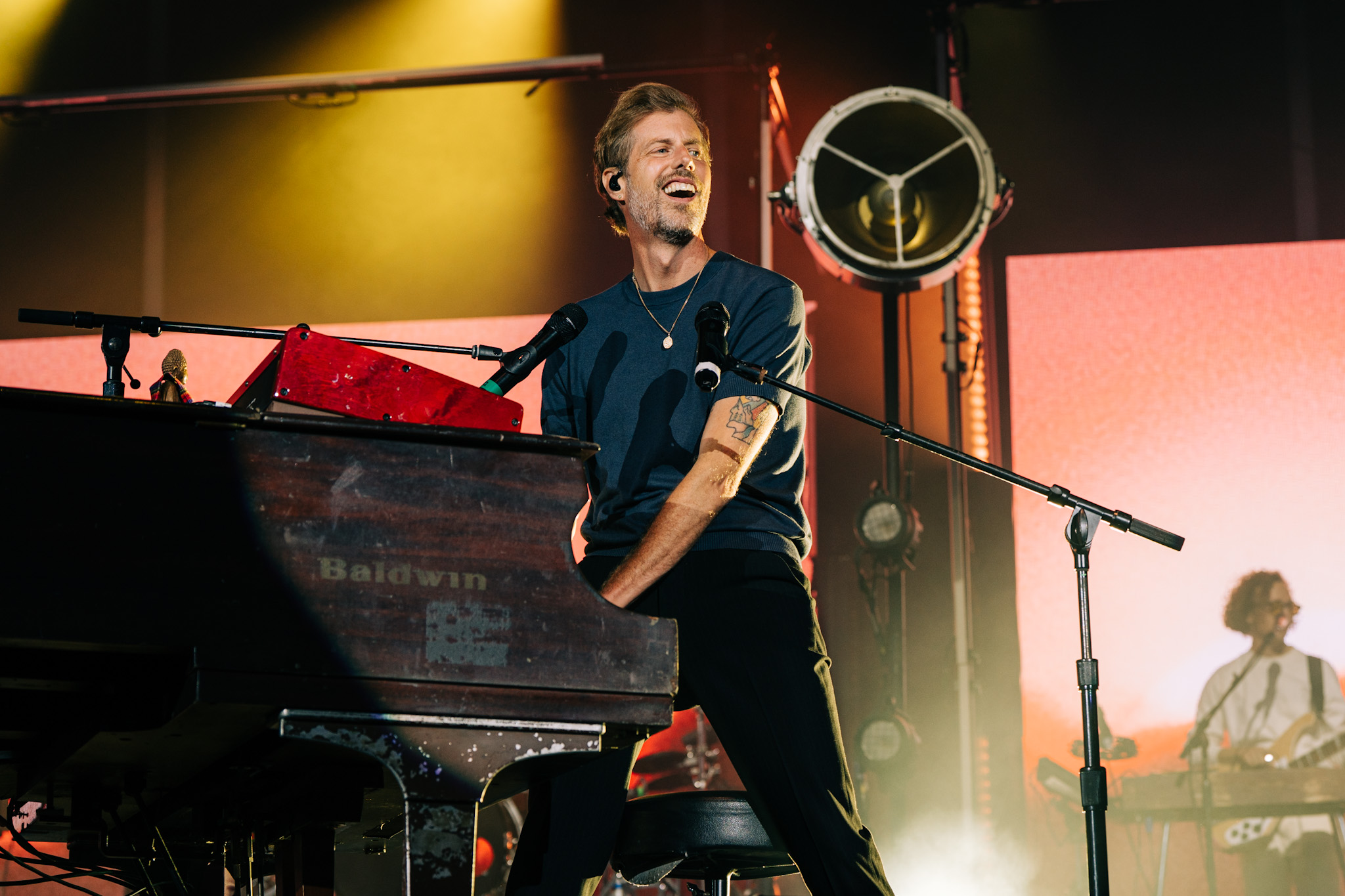
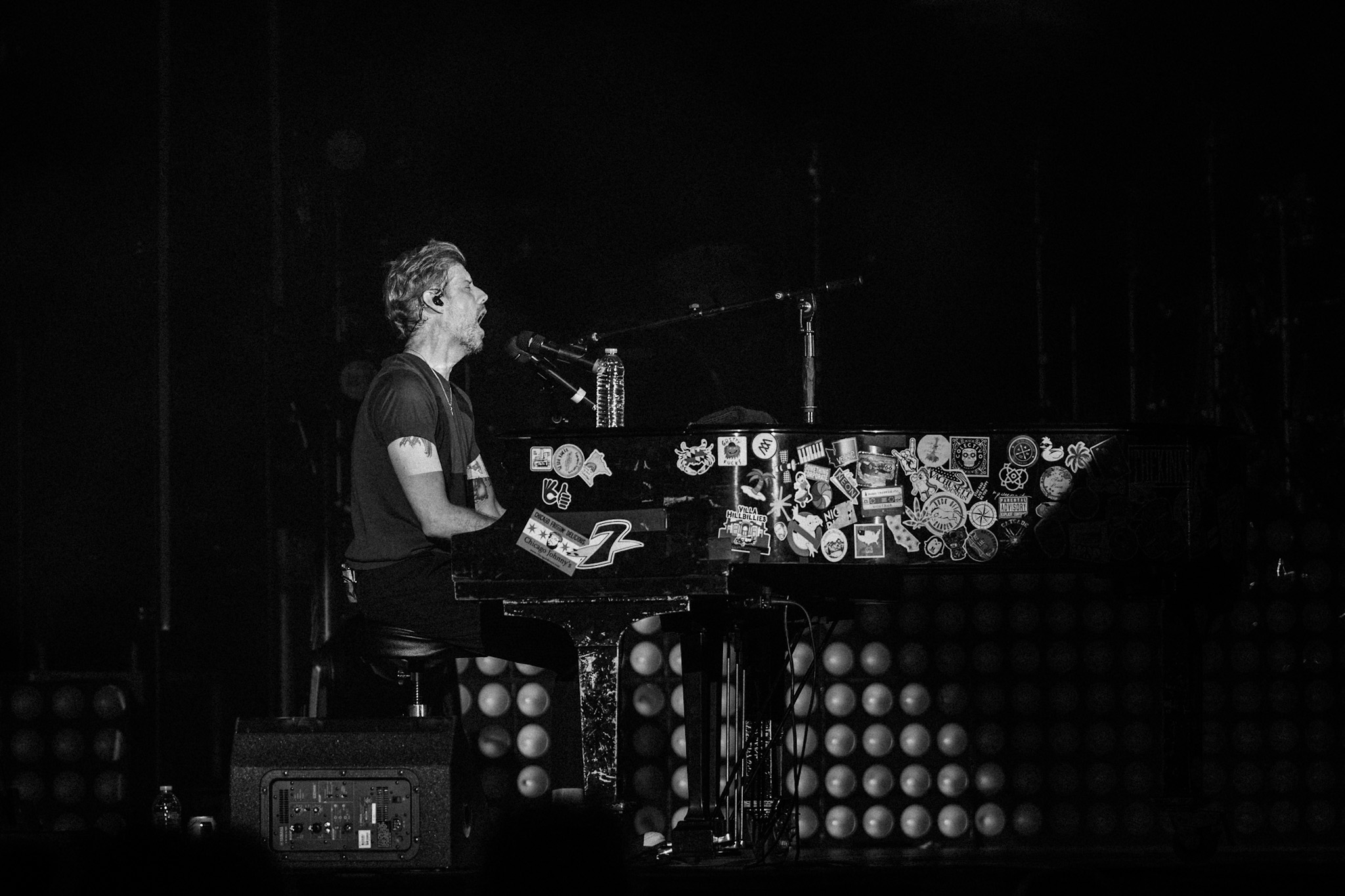
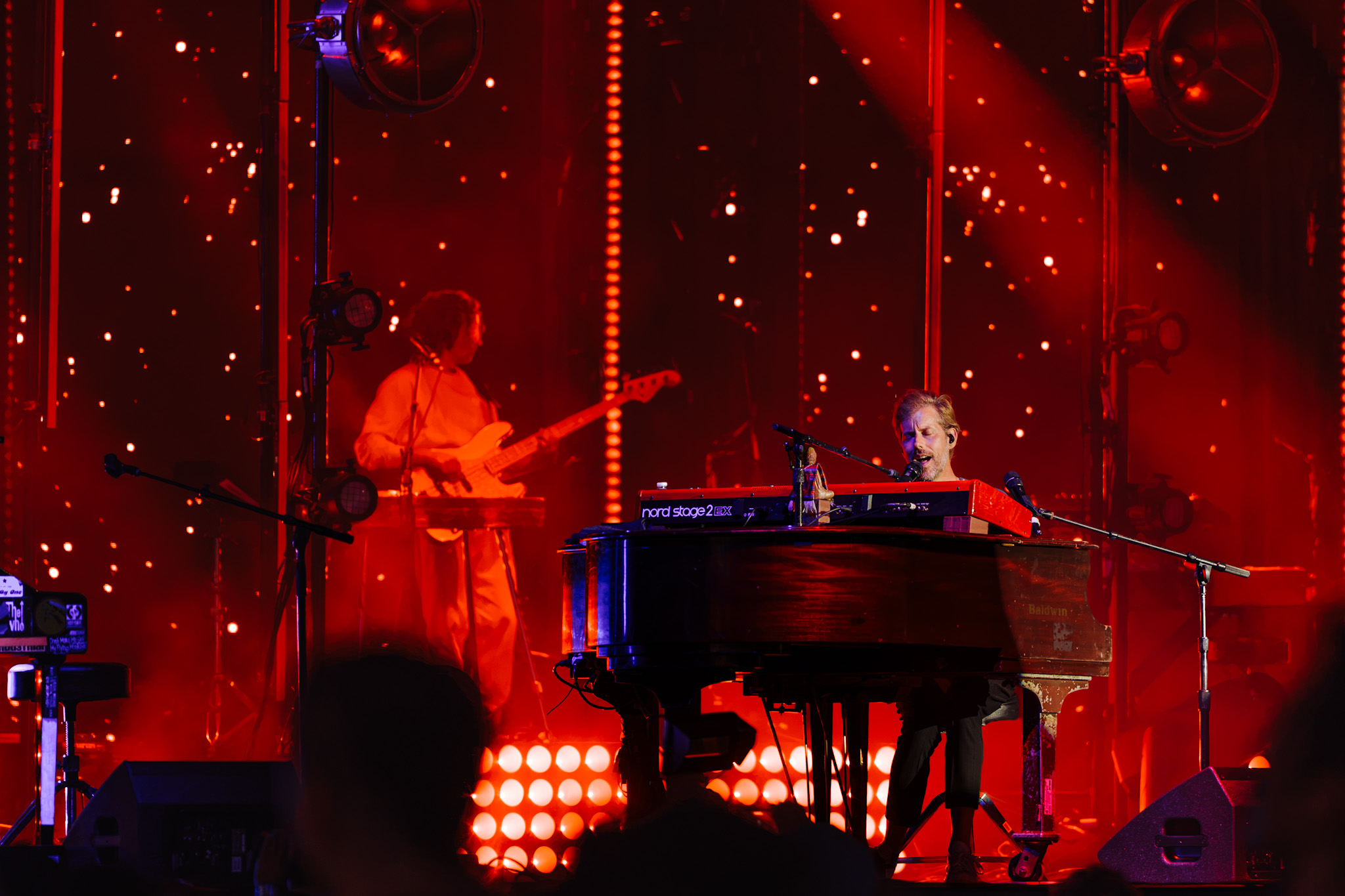
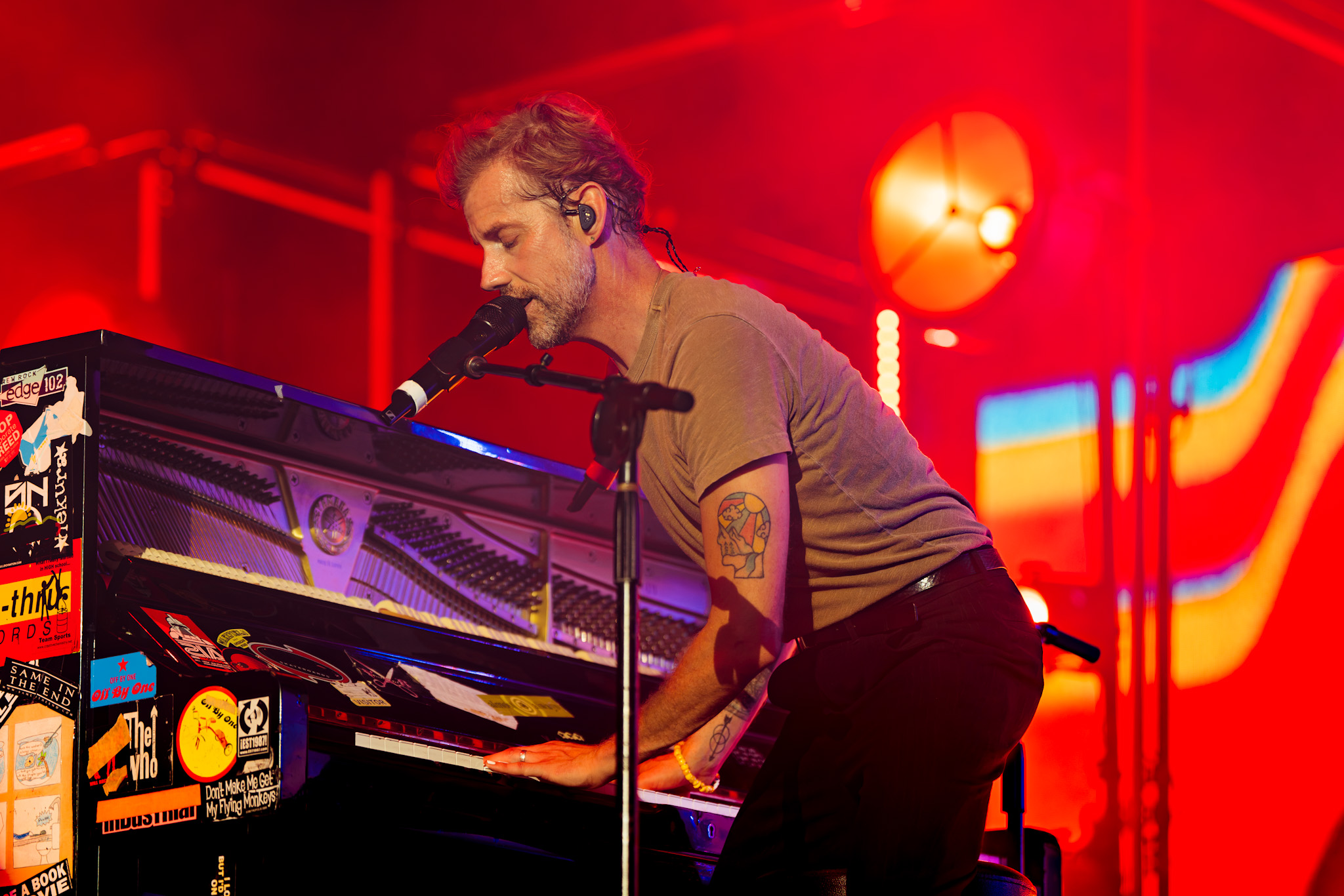
The upright piano represented an earlier part of his career, while the Baldwin grand and touring grand marked later chapters. Together, they helped tell the story of where he started and how his music changed over time.
That idea could have easily felt gimmicky, but it didn’t.
McMahon actually used the pianos as part of the performance, and that made the concept work.
The musicians around him also helped separate the different eras. As the show moved between Something Corporate, Jack’s Mannequin and Andrew McMahon in the Wilderness, the lineup and sound changed with it.
Even with those changes, the show never felt broken up.
McMahon was the connection between everything.
You could hear the differences between the projects, but you could also see how they all belonged to the same person and the same larger story.
That was one of the strongest parts of the night for me.
McMahon the Storyteller
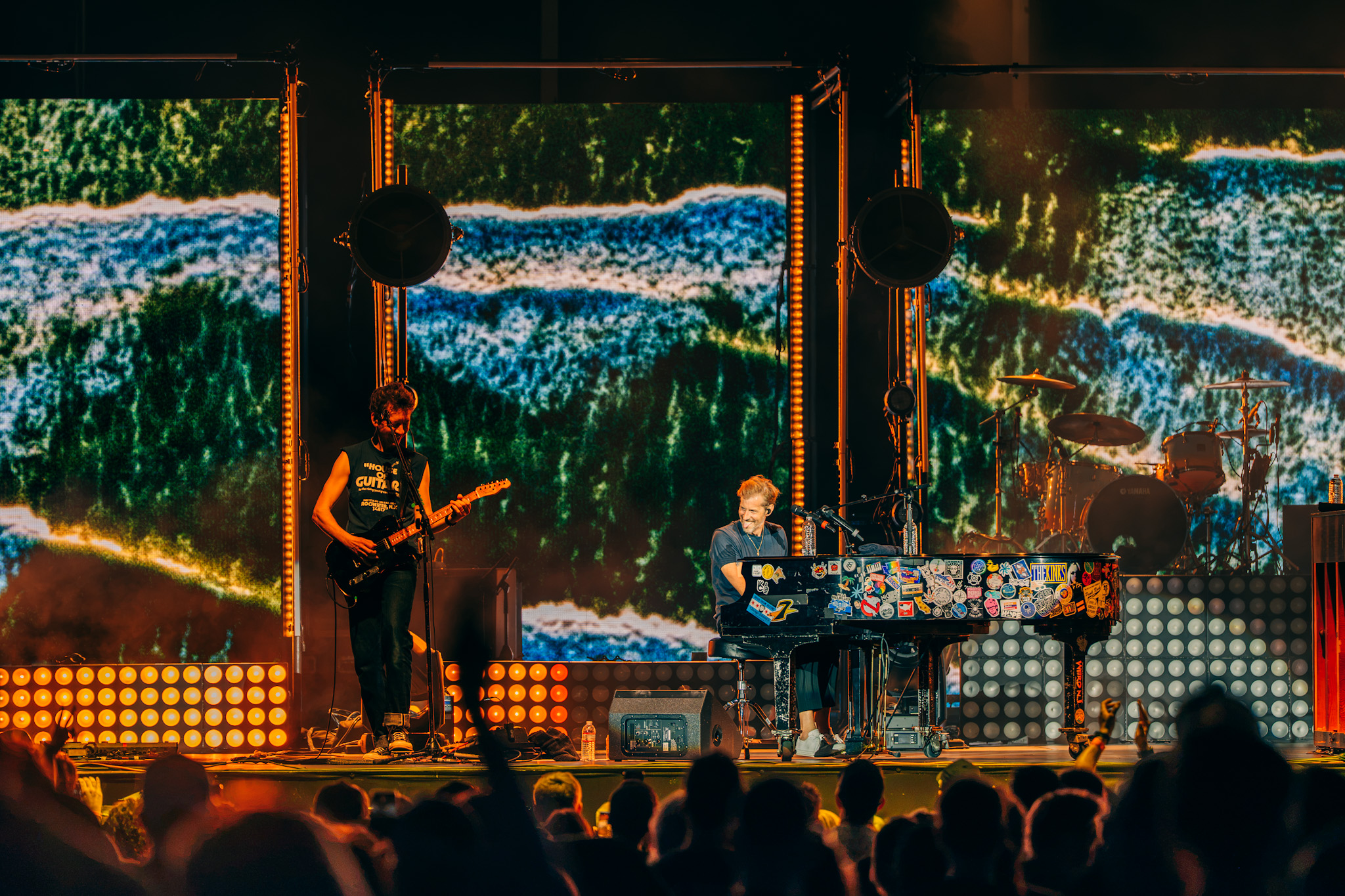
What impressed me even more than the concept itself was McMahon’s ability to tell a story through it.
He wasn’t just moving from one era of his career to the next. He gave each part context and made it feel connected to the person he was at the time. The songs, the pianos and the changes in the band all became part of that story.
Even as someone who did not come in knowing his full catalog, I never felt lost.
That is where his gift as a storyteller really showed.
He knows how to take something personal and make it easy for an audience to follow. You didn’t need to know every album or every chapter of his career to understand what he was trying to say.
The Quiet Turn Into the Acoustic Set
There was also a good balance between the bigger moments and the quieter ones.
As the show shifted toward more acoustic material, the energy changed completely. After seeing McMahon climb on pianos, jump around the stage and put so much physical energy into the performance, the stripped-down moments gave the music more space.
It showed another side of him.
He didn’t need the movement or the size of the production to hold attention.
The songs could do that on their own.
My friend had told me before the show that a lot of the audience would be longtime fans, and that was easy to see once the performance started. People knew the lyrics, knew the different eras and clearly had years of history with the music.
But even without that history, the show still worked for me.
That says a lot.
A career-spanning show can easily become something made mostly for people who already know every detail. Three Pianos didn’t feel that way.
There was enough going on musically and visually that I could appreciate it without needing to know every song beforehand.
What I kept coming back to was how much intention there seemed to be behind everything.
The pianos had a purpose. The changes in musicians had a purpose. The way the show moved from one era into another had a purpose.
Even the shift into the quieter acoustic section felt like part of the larger story instead of just a change of pace.
And through all of that, McMahon still performed with a sense of freedom.
The show was carefully put together, but he never looked restricted by it.
He still climbed, jumped, moved, played and interacted with the music in a way that felt loose and alive.
A Closing Duet With His Daughter
The way he ended the night made the storytelling feel even more complete.
After spending the show looking back at the different stages of his career, McMahon closed with a duet with his daughter, Cecilia, on the song he wrote for her as a baby.
It was a simple moment, but one of the most meaningful of the night.
After telling the story of where he had been, the final image was of where his life is now.
That gave the ending more weight without needing a big production moment.
By the end of the night, the three pianos felt like more than symbols for three different bands. They became part of the way McMahon told the story of his life through music.
For my first real introduction to his work, that was what stayed with me most.
I walked in mostly unfamiliar with his catalog and walked away a fan.